Best Composite Cladding Solutions for Global Buyers?
In recent years, the demand for Composite Cladding solutions has surged among global buyers seeking innovative building materials. John Smith, a renowned expert in the composites industry, states, "The use of Composite Cladding is revolutionizing architectural design and sustainability." This highlights the material's vital role in modern construction.
Composite Cladding offers a perfect blend of aesthetics and durability, appealing to architects and builders worldwide. Its lightweight nature and resistance to weather impacts make it an attractive choice. However, the market is not without its challenges. There are varying qualities and standards, which can confuse buyers. Ensuring product reliability is essential for long-term success.
Choosing the right Composite Cladding solution requires insight and careful consideration. Buyers must evaluate factors like cost, maintenance, and environmental impact. Improper selections can lead to costly mistakes. Both professionals and customers are urged to prioritize research before making decisions. The right guidance can transform a project, leading to success and satisfaction.
Overview of Composite Cladding Materials and Their Benefits
Composite cladding materials have gained significant traction in the construction sector. These materials offer a blend of durability and aesthetic appeal. According to a recent report by Smithers, the global market for composite cladding is projected to reach $24.3 billion by 2025. This growth emphasizes the rising demand for innovative building solutions.
One of the standout benefits of composite cladding is its low maintenance requirement. Unlike traditional materials, composites resist rot and insect damage. They also come in various colors and finishes, allowing designers to create unique looks. However, the initial cost can be higher than conventional options. That's a crucial consideration for budget-conscious builders.
Another notable aspect is sustainability. Many composite materials utilize recycled content, helping to reduce waste. A survey by the Global Green Building Council indicates that 39% of global carbon emissions come from the building sector. Adopting composite cladding can contribute to lowering this footprint. Nevertheless, the production process must be scrutinized to ensure it is eco-friendly. Such complexities require careful evaluation for optimal decisions.
Best Composite Cladding Solutions for Global Buyers
This chart illustrates the benefits rating of various composite cladding materials. Each material has been rated on a scale of 1 to 10 based on its advantages such as durability, maintenance, aesthetics, and insulation. This overview can help global buyers make informed decisions when selecting cladding solutions for their projects.
Key Factors to Consider When Choosing Composite Cladding
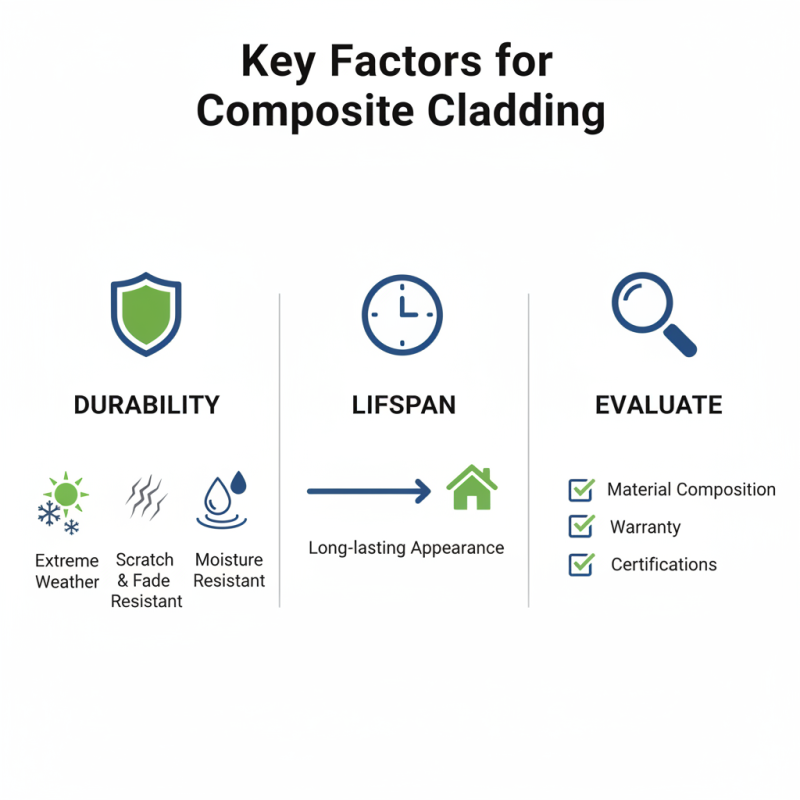
When selecting composite cladding, several factors stand out. Durability is essential. Buyers should evaluate how the material withstands extreme weather. Look for resistance to fading, scratching, and moisture. These characteristics determine how long the cladding will last and maintain its appearance.
Aesthetics matter too. Composite cladding comes in various colors and textures. Buyers should consider how the chosen cladding complements the overall design. It is crucial to visualize the final look. This reflection helps avoid mismatches with architectural styles.
Environmental impact is another key aspect. Opt for cladding made from sustainable materials. This decision can reflect the values of eco-conscious buyers. Yet, some composite options may not be as green as they seem. It's wise to research the production process. Overall, being informed leads to better choices in cladding solutions.
Top International Manufacturers of Composite Cladding Solutions
When considering composite cladding solutions, global buyers must assess leading international manufacturers. These companies are renowned for their innovation and quality. They offer diverse products suitable for various architectural styles and climates. Many have years of experience, ensuring reliability in their performance. Ethically sourcing materials is also a priority for these manufacturers. This dedication enhances both durability and environmental sustainability.
Tips: Always evaluate a manufacturer's expertise before committing. Look for companies with proven track records in your region. Researching customer reviews can provide valuable insight.
Moreover, each manufacturer may have unique offerings. It’s essential to understand the material differences. Some composites are better suited for high-moisture areas, while others excel in UV resistance. Knowing these details can prevent future regrets.
Tips: Consult with architects or builders familiar with local requirements. This collaboration can save time and money. Reach out to multiple suppliers for quotes to make informed decisions.
Cost Analysis of Composite Cladding Options for Global Buyers
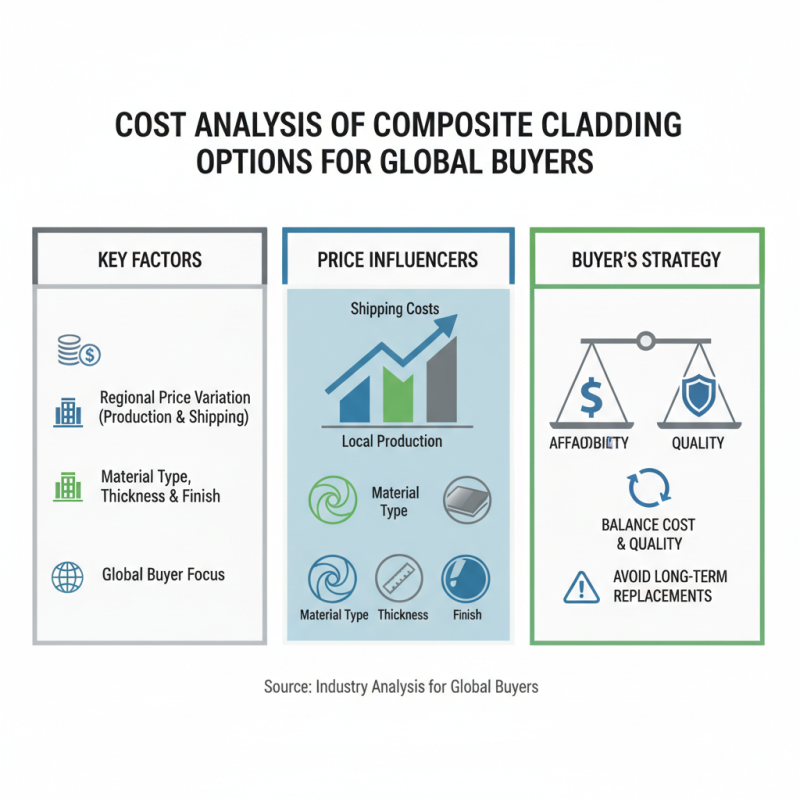
When considering composite cladding options, cost analysis plays a crucial role for global buyers. Prices vary significantly across regions, often influenced by local production and shipping costs. It's essential to examine the material type, thickness, and finish, as these factors directly impact the overall expense. While affordable options exist, it's vital to balance cost with quality to avoid long-term expenses on replacements.
Investing in composite cladding often means weighing short-term savings against potential future costs. Some cheaper products might not offer the durability or resistance to weathering that higher-end options provide. A thorough evaluation of the lifecycle cost is necessary. This includes maintenance and energy efficiency during the building's lifetime.
Buyers might encounter the challenge of sourcing materials that meet sustainability criteria. Striking a balance between eco-friendly practices and cost-effectiveness can be complex. Local regulations and industry standards will affect pricing as well. Buyers should also think about the availability of skilled labor for installation and maintenance, which can add to initial costs.
Sustainability and Environmental Impact of Composite Cladding Products
Composite cladding has gained attention due to its sustainable properties. Many products utilize recycled materials, which significantly reduce the environmental impact during production. A report from the Global Environmental Agency indicates that composite cladding can reduce CO2 emissions by up to 30% compared to traditional materials. This is a notable factor for global buyers focused on eco-friendly construction.
However, not all composite cladding is created equal. Some products contain harmful resins or additives that may affect recyclability. It's important for buyers to research suppliers and check certifications. A 2022 study highlighted that only 40% of composite cladding products meet stringent sustainability standards. This gap reveals a need for buyer vigilance.
Tips: Look for certifications like LEED or BREEAM when choosing cladding. They indicate environmental responsibility. Make sure to consider the full lifecycle of the product. Although composite options are growing, the market is still evolving. Always ask about the recyclability of the materials.
Best Composite Cladding Solutions for Global Buyers
| Dimension |
Value |
Sustainability Factor |
Environmental Impact |
| Material Recycled Content |
70% |
High |
Low CO2 emissions |
| Lifespan |
30 years |
Moderate |
Minimal waste over time |
| Energy Efficiency (R-Value) |
R-4.5 |
High |
Reduces heating/cooling needs |
| Water Absorption Rate |
< 0.5% |
High |
Prevents mold and decay |
| Fire Resistance Rating |
Class B |
Moderate |
Reduced fire hazards |