2026 Best Outdoor Decking Options for Your Home and Garden?
Outdoor decking plays a vital role in enhancing your home's exterior and garden spaces. With numerous options available, choosing the right material can be daunting. Different types of decking serve various purposes and styles. You may prefer the warm tones of wood, or the modern look of composite materials.
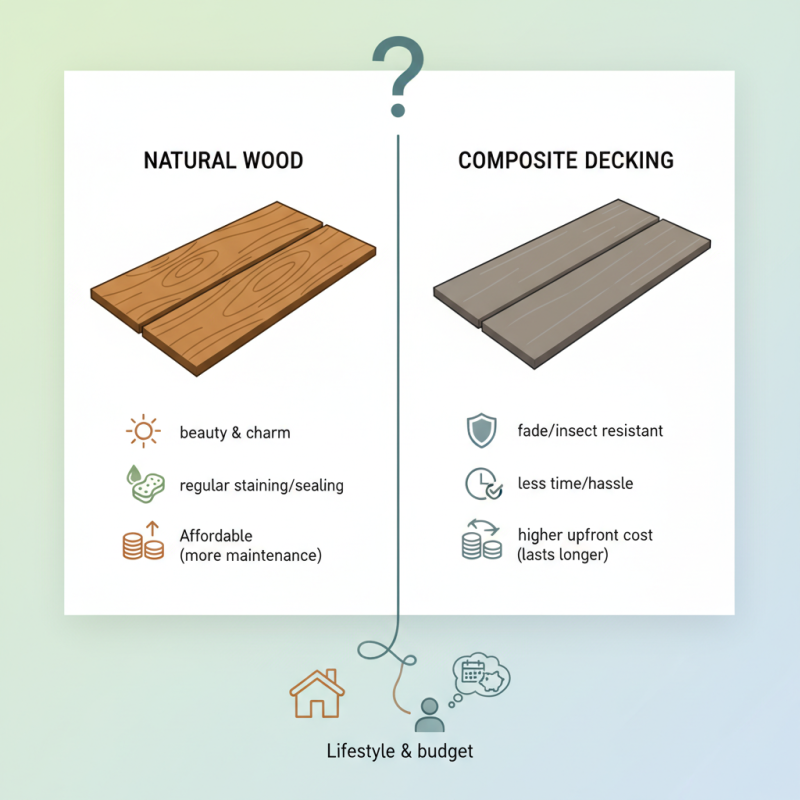
Consider how each type of decking complements your home’s architecture. Some materials may be more affordable but require more maintenance. Others may cost more upfront but last longer.
Natural wood offers beauty and charm. However, it often needs regular staining and sealing. In contrast, composite decking can resist fading and insects, saving time and hassle. Reflect on what fits your lifestyle and budget best. Your choice in outdoor decking will shape your outdoor experience for years to come.
Top Decking Materials for Outdoor Spaces in 2026
When planning outdoor spaces for 2026, selecting the right decking materials is crucial. Consider natural wood, composite, and PVC options. Natural wood offers a classic beauty. However, it requires regular maintenance to prevent decay and fading.
Composite materials blend wood fibers and plastic. They resist splintering and are low maintenance but may lack the authentic wood feel.
PVC decking provides durability and resistance to mold. It comes in various colors and patterns, allowing customization. A potential downside is the higher initial cost compared to wood. Each material has its unique texture and aesthetic. Think about how you intend to use the space. Will it host gatherings or serve as a quiet retreat? Reflect on how often you want to maintain your decking. Not every material suits every lifestyle.
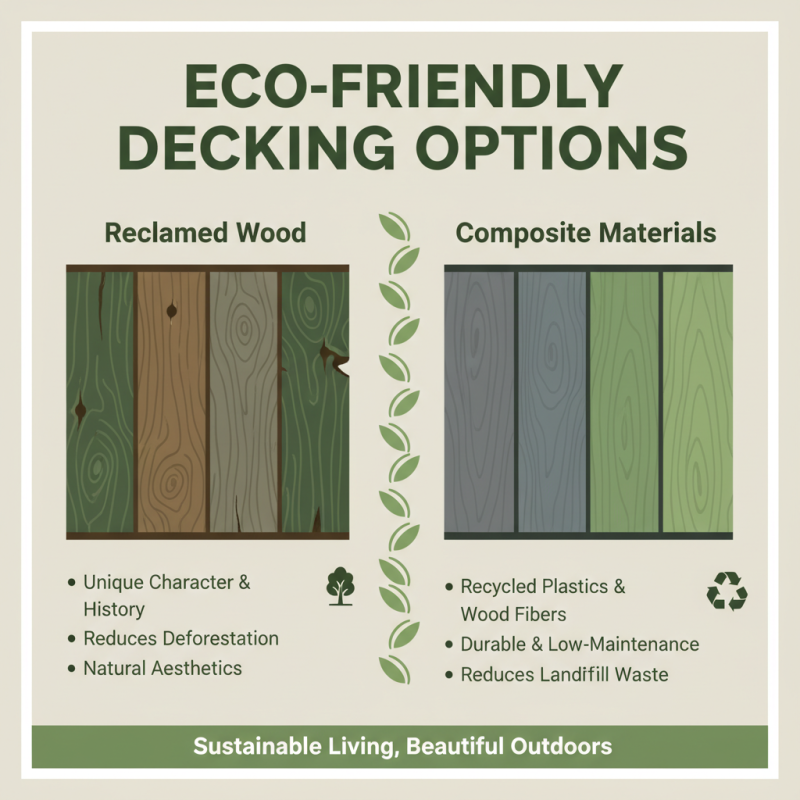
Your choice will shape the look and feel of your outdoor environment. If you opt for a more eco-friendly solution, explore reclaimed wood or sustainably sourced materials. These choices may add character but can be more challenging to find. As you consider your options, balance beauty, maintenance, and budget. Each decision counts in creating an inviting outdoor area.
Benefits of Composite Decking for Homeowners and Gardeners
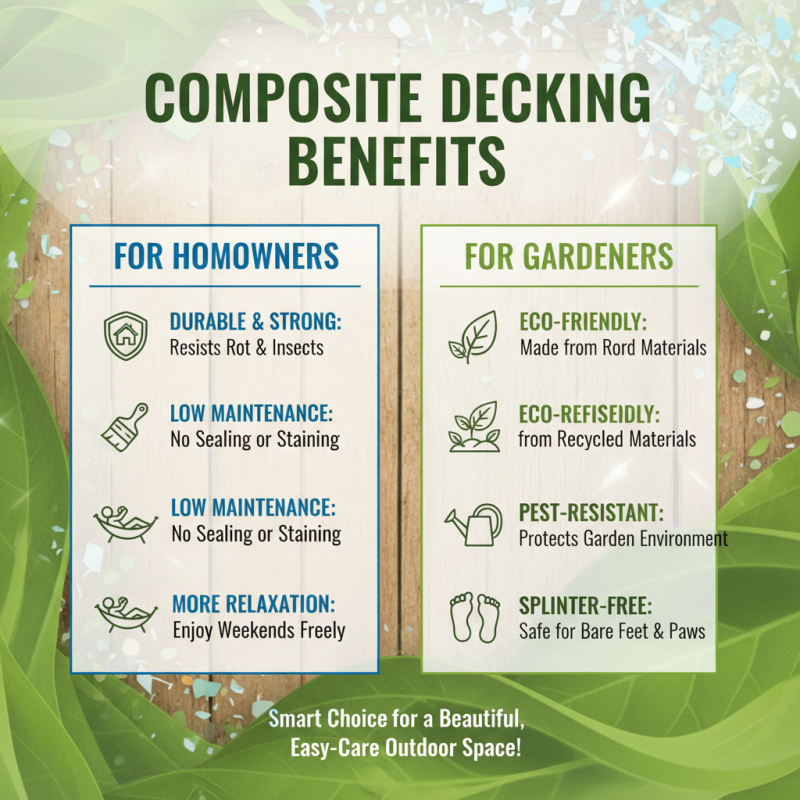
Composite decking is becoming a favorite among homeowners and gardeners. It combines wood fibers and recycled plastics. This mixture creates a strong material that resists rot and insects. Unlike traditional wood, it doesn't require regular sealing or staining. Imagine spending your weekends relaxing instead of maintaining your deck.
One notable benefit of composite decking is its eco-friendliness. Many manufacturers use recycled materials. This means less waste in landfills. Additionally, composite decks do not require toxic chemicals, making them safer for nearby plants and soil. However, some users report surface fading after exposure to the sun. It's an issue worth considering during your selection.
Another advantage is its durability. Composite boards can withstand harsh weather conditions. Yet, they might get hot under the summer sun. It's essential to choose your outdoor furniture accordingly. This material also comes in various colors and textures. This allows customization to fit your home's aesthetic. While initially more expensive, the long-term savings on maintenance can be significant.
The Appeal of Natural Wood Decking in Modern Landscaping
Natural wood decking has become increasingly appealing in modern landscaping. Many homeowners prefer its warm tones and rich textures. According to a recent industry report, around 45% of new decking installations feature natural wood. This preference highlights its enduring beauty and charm. However, the maintenance challenge of wood decking cannot be ignored. Regular sealing and staining are necessary to protect against weathering.
Incorporating natural wood can enhance outdoor spaces significantly. The grain patterns and colors create a unique aesthetic. However, sourcing sustainable wood is crucial. About 70% of wood decking comes from unsustainable sources, raising environmental concerns. Choosing certified timber is a step in the right direction. This ensures a balance between beauty and ecological responsibility.
Despite its allure, wood decking has some drawbacks. It may warp or splinter over time. Moreover, exposure to moisture can lead to mold growth. These issues prompt reflection on long-term durability. Thus, while natural wood decking enhances a garden's appeal, careful consideration and ongoing maintenance are essential for lasting enjoyment.
2026 Best Outdoor Decking Options for Your Home and Garden
| Decking Material |
Durability (Years) |
Maintenance Level |
Cost per Square Foot |
Sustainability |
| Natural Wood |
15-30 |
High |
$15 - $30 |
Variable |
| Composite |
25-50 |
Low |
$10 - $20 |
High |
| PVC |
20-30 |
Very Low |
$10 - $15 |
Moderate |
| Bamboo |
15-25 |
Medium |
$5 - $10 |
Very High |
| Aluminum |
30-50 |
Very Low |
$20 - $35 |
High |
Comparative Analysis of Cost and Durability in Decking Choices
Choosing the right outdoor decking is vital for any home or garden. A comprehensive analysis reveals cost and durability differences among popular materials. For instance, wood decking tends to be less expensive upfront, averaging around $3 to $6 per square foot. However, it often requires regular maintenance, which can increase long-term costs. Studies show that treated lumber may last between 10 to 15 years with proper care, whereas composite decking can endure up to 25 years with minimal upkeep.
On the durability front, composite materials typically outperform wood. They resist rot, insect damage, and splitting. A recent report indicates that composite decking can be up to 50% more durable than traditional wood. However, upfront costs for composite options can range from $7 to $12 per square foot. This initially higher expense might deter some homeowners. Yet, the longevity can prove cost-effective over time.
The decision isn't always black and white. Many people prefer the natural look of wood and its warmth. But, some regret not choosing more durable options. Ultimately, weighing immediate costs against long-term durability is essential for making an informed choice. Balancing aesthetics and practicality can lead to unforeseen challenges in the future.