How to Choose the Best Composite Wood Decking for Your Home?
When it comes to enhancing outdoor spaces, choosing the right decking material is crucial. Composite wood decking has gained popularity for its durability and low maintenance. This option blends wood fibers and plastic, offering both beauty and functionality. It mimics the look of traditional wood while resisting rot and fading.
Selecting the best composite wood decking requires careful consideration. Not all products are created equal, and some may not meet your needs. Factors like cost, color, and texture should guide your choice. Do not forget about the environmental impact as well. Many brands now offer eco-friendly solutions, but you must verify their claims.
You may find it hard to know where to start. With so many options available, feelings of overwhelm are normal. Take your time to research different brands. Read reviews and ask for samples. This approach will help ensure that your choice reflects your style and meets practical requirements. A well-informed decision can make all the difference in your outdoor project.
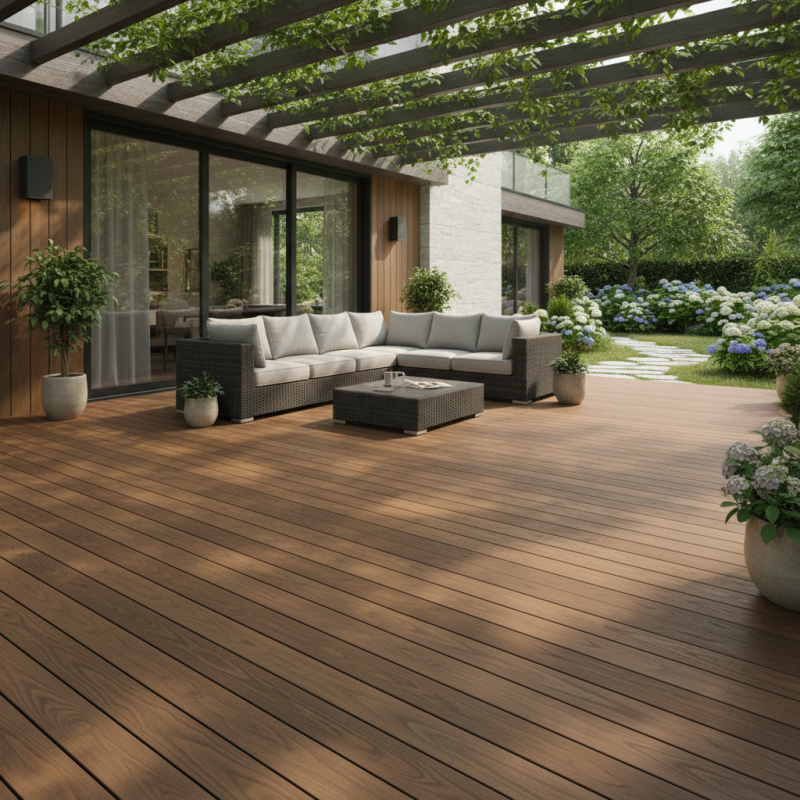
Understanding Composite Wood Decking: Benefits and Features
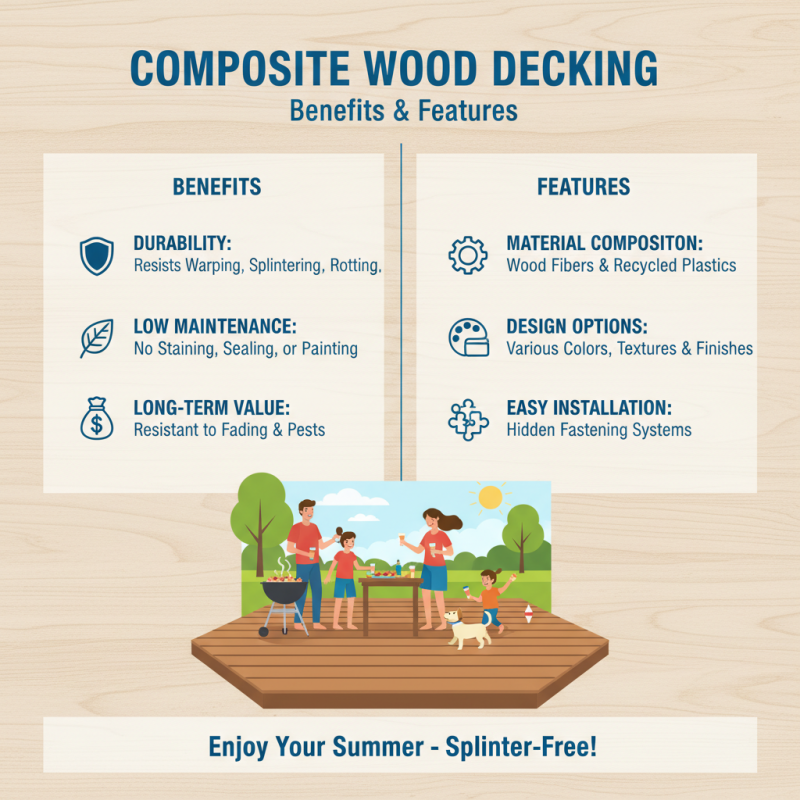
Composite wood decking has gained popularity for many reasons. One significant advantage is its durability. Unlike traditional wood, composite materials resist warping, splintering, and rotting. This feature makes them ideal for outdoor use. Think about a summer barbecue. With composite decking, you won’t have to worry about splinters ruining your guests' fun.
Another appealing aspect is the low maintenance requirement. Regular staining and sealing are unnecessary with composite decking. Just a wash with soap and water can keep it looking pristine. This simplicity is attractive but sometimes leads to complacency. Homeowners may neglect to clean dirt or debris, which can accumulate over time.
Aesthetic variety is also a key feature. Composite decking comes in numerous colors and textures. You can find options that mimic natural wood or choose vibrant shades for a modern look. However, with so many choices, it’s easy to feel overwhelmed. Selecting the right style for your home may require additional reflection. Ultimately, understanding these benefits and features can help you make a well-informed choice.
Evaluating Different Types of Composite Wood Materials
When choosing composite wood materials for decking, it's essential to consider various factors. Start by looking at the composition of the composite. Many options combine wood fibers and plastic materials. This blend can affect durability and appearance. Look closely at the ratio of wood to plastic. A higher percentage of wood often yields a more natural look, but may have less durability.
Next, think about texture and finish. Some composites offer a smooth surface, while others have a more textured finish. Textured surfaces might provide better traction, especially when wet. However, they can also attract dirt and require more maintenance. Evaluate how much time you want to spend cleaning and maintaining your deck. A lower-maintenance option may be worth the investment.
Lastly, consider color options and fade resistance. Some composites retain color well, while others may fade over time. Pay attention to the warranty details, as these can provide insights into the expected lifespan. Choosing the best composite requires careful evaluation. Take your time and reflect on your choices before making a decision.
How to Choose the Best Composite Wood Decking for Your Home? - Evaluating Different Types of Composite Wood Materials
| Material Type |
Durability |
Maintenance Level |
Cost per Square Foot |
Eco-Friendliness |
| PVC Composite |
High |
Low |
$7 - $10 |
Yes |
| Wood-Plastic Composite |
Medium |
Medium |
$5 - $9 |
Moderate |
| Bamboo Composite |
High |
Low |
$8 - $12 |
Yes |
| High-Density Composite |
Very High |
Very Low |
$10 - $15 |
Yes |
Considerations for Selecting the Right Color and Texture
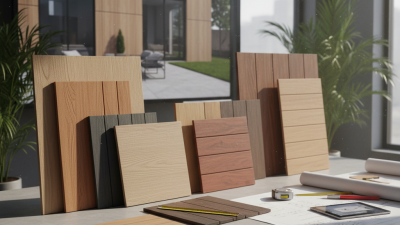
When selecting composite wood decking, color and texture are key elements. The right choice can enhance your outdoor space. Dark colors absorb heat, while light colors stay cooler. A distressed texture can add a rustic feel. On the other hand, a smooth finish offers a modern look. Think about your home’s style before choosing.
Tips: Consider how much sun your deck receives. Lighter colors may fade in direct sunlight. A deck with varied tones can hide dirt well, but it may not appeal to everyone. Reflect on your personal taste. Don't rush this process.
Choosing a textured surface can impact safety too. A rougher finish provides better grip when wet, reducing slips. If you frequently entertain, easy-to-clean options work well. Keep in mind the potential for scratches and wear. Not every color matches every mood, so take your time. Aim for a look that complements your lifestyle.
Assessing Durability and Maintenance Requirements
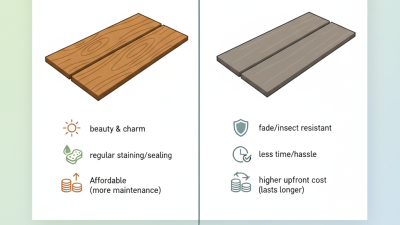
When selecting composite wood decking, durability and maintenance are key considerations. Some composites resist fading and weathering better than others. It’s wise to check the product warranties. A longer warranty often indicates better durability.
Maintenance requirements can also vary. Some materials need regular cleaning to prevent mold and mildew. Others can simply be swept off. You might find that some types can stain easily, leading to ongoing challenges. Consider how much effort you want to put into upkeep.
Think about your local climate. If you live in a rainy area, choose a composite with good drainage. If your area has intense sunlight, colors may fade over time. Learning about various composites helps clarify what will work for your landscape. There’s no perfect choice, but informed decisions can lead you in the right direction.
Comparative Durability and Maintenance Requirements of Composite Wood Decking
Budgeting: Cost Factors and Long-Term Value of Composite Decking
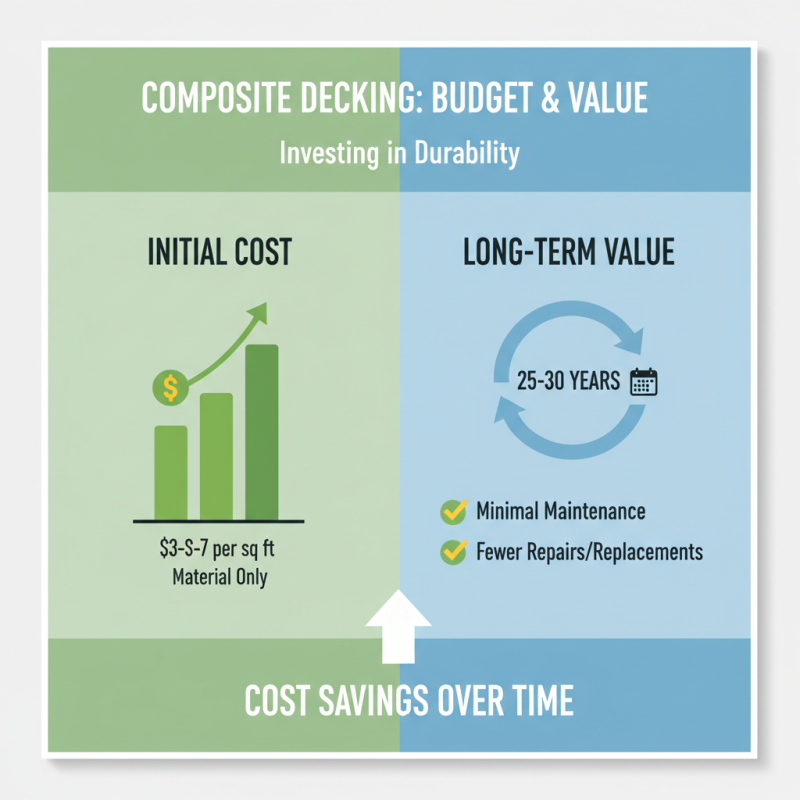
When considering composite wood decking, budgeting is crucial. The initial cost may seem high, averaging around $3 to $7 per square foot. However, this figure doesn't tell the whole story. Many homeowners overlook long-term value. According to industry reports, composite decking can last 25 to 30 years with minimal upkeep. This durability means fewer repairs and replacements, saving money over time.
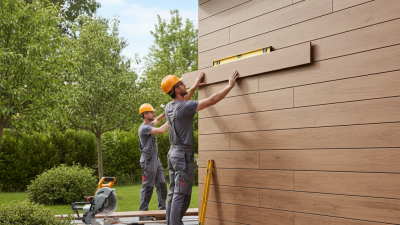
Installation also impacts your budget. Professionals often charge between $6 to $12 per square foot for installation. While this cost might seem steep, it's essential for a quality finish. Poor installation can lead to significant issues, requiring expensive fixes later. An investment in skilled labor may yield greater peace of mind.
Homeowners must also consider maintenance costs. Unlike traditional wood, composite decking requires much less. Cleaning with soap and water is usually sufficient. Owners can save an estimated $300 to $500 annually on maintenance compared to wood options. However, it’s also vital to ask, are you willing to commit to this investment? The initial price could be daunting for some. Balancing cost against long-term benefits is key to making an informed decision.