Why You Should Consider an Outdoor Storage Shed for Your Home?
When considering home organization, an outdoor storage shed can be a game-changer. Expert Sarah Thompson states, “An outdoor storage shed expands your space and protects your belongings.” This simple structure can keep tools, gardening supplies, and seasonal items safe and accessible.
The clutter around your home can create stress. An organized space often fosters a clearer mind. Imagine having a dedicated place for everything. Yet, many homeowners overlook the benefits of an outdoor storage shed and miss out on potential advantages.
Visualize a neatly arranged garden shed, equipped with shelves for pots and tools. Your yard becomes more inviting, and your items stay dry and organized. However, some may think sheds are too expensive or take too much effort to maintain. While this is a valid concern, the long-term benefits often outweigh these initial hurdles. Investing in an outdoor storage shed could be a wise decision for any homeowner.
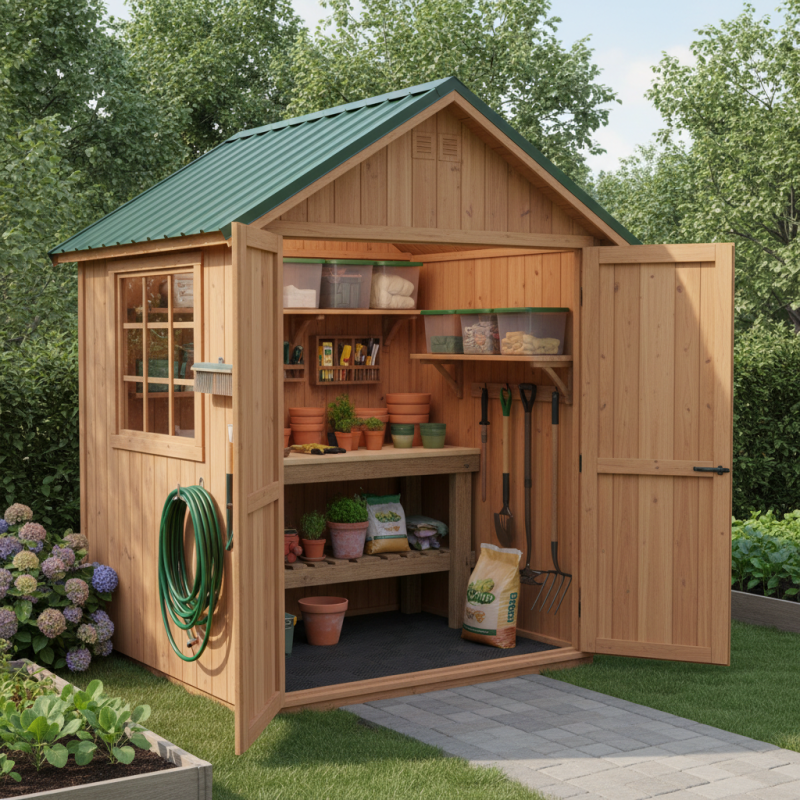
Benefits of Outdoor Storage Sheds for Organized Home Spaces
Outdoor storage sheds provide practical solutions for organized living spaces. With research from the National Association of Home Builders, approximately 70% of homeowners feel clutter contributes to stress. An outdoor shed can alleviate this concern. By providing designated areas for gardening tools, seasonal decorations, or sports equipment, sheds help maintain a tidy environment.
Many people overlook the potential of outdoor storage. About 40% of homeowners struggle with space management, often leading to disorganization. Choosing a shed allows you to maximize your outdoor space effectively. For instance, selecting a shed made of durable materials ensures longevity. A well-placed storage unit can also enhance your yard's aesthetic appeal.
However, challenges remain. Not everyone has the budget for premium storage solutions. Some may find it difficult to assemble. Proper planning is essential to avoid these pitfalls. Are you ready to embrace the benefits of an organized space? Exploring various options can lead to effective use of outdoor storage.
Key Features to Look for in a Quality Outdoor Storage Shed
When choosing an outdoor storage shed, quality is key. Look for durable materials that can withstand various weather conditions. According to industry reports, sheds made from high-quality resin or treated wood tend to last longer. They resist rot and insects better than cheaper options. A good shed should also come with a solid floor to prevent moisture damage.
Size matters significantly. Think about what you'll store. Research shows that homeowners often regret underestimating space needs. A small shed may quickly become overcrowded. Features like adjustable shelves and built-in hooks can enhance storage efficiency. Additionally, consider ventilation systems to reduce humidity inside, which can compromise stored items.
Security is another essential factor. Locks and secure latches are vital for protecting your belongings. Surprisingly, around 30% of shed owners report theft or vandalism. Investing in a strong, well-constructed door can deter intruders. Finally, consider aesthetics. A well-designed shed can complement your home. A visually appealing shed adds value while fulfilling practical needs.
Cost Analysis: Outdoor Sheds vs. Alternative Storage Solutions
When considering outdoor storage solutions, a cost analysis is crucial. Outdoor sheds are often more affordable than renting storage units. A backyard shed can be built or purchased at a fraction of the long-term cost of monthly storage fees. Each time you pay for a storage unit, you're essentially tossing money into the air. It adds up quickly.
The initial investment in a shed might seem high, but think about the long-term benefits. You have complete access to your items without the hassle of appointments or limited hours. Much of this convenience is valuable. However, remember that maintenance costs can accumulate. A shed needs upkeep. You might need to repair leaks or repaint surfaces over time. These unexpected costs might create tension during budgeting.
Furthermore, outdoor sheds provide the opportunity for personal customization. You can create a space that meets your exact needs. But if you don’t plan properly, it could become cluttered or disorganized. This may lead you to question whether a shed is really the best choice. Ultimately, whether it’s a shed or another solution, think critically about your specific needs and budgets.
The Role of Outdoor Storage in Enhancing Property Value
Outdoor storage sheds can significantly enhance your property value. According to the National Association of Realtors, homes with well-maintained storage options can see a price increase of up to 15%. This is substantial in competitive real estate markets. A shed offers practicality and organization, which appeals to potential buyers. However, it's essential to choose the right design and placement. A poorly placed or unattractive shed can detract from your yard's aesthetics.
Incorporating an outdoor shed adds usable space. The same association reports that homebuyers prioritize storage capabilities. An outdoor shed can serve various purposes, from gardening equipment to seasonal items. The versatility is appealing, but not every shed fits every home. Some may look too bulky or out of place. Therefore, it's crucial to consider your home’s architectural style before making a purchase. If not chosen wisely, it can feel like an eyesore rather than an asset.
Moreover, local regulations can impact your options. Many neighborhoods have specific guidelines regarding the size and appearance of outdoor structures. Understanding these can save you future headaches. A shed that meets community standards can elevate curb appeal. When planning your outdoor storage, balance functionality with aesthetics. This requires open-mindedness and a willingness to adapt. Ultimately, the right shed can be a valuable addition, increasing both efficiency and property allure.
Popular Materials and Designs for Outdoor Storage Sheds
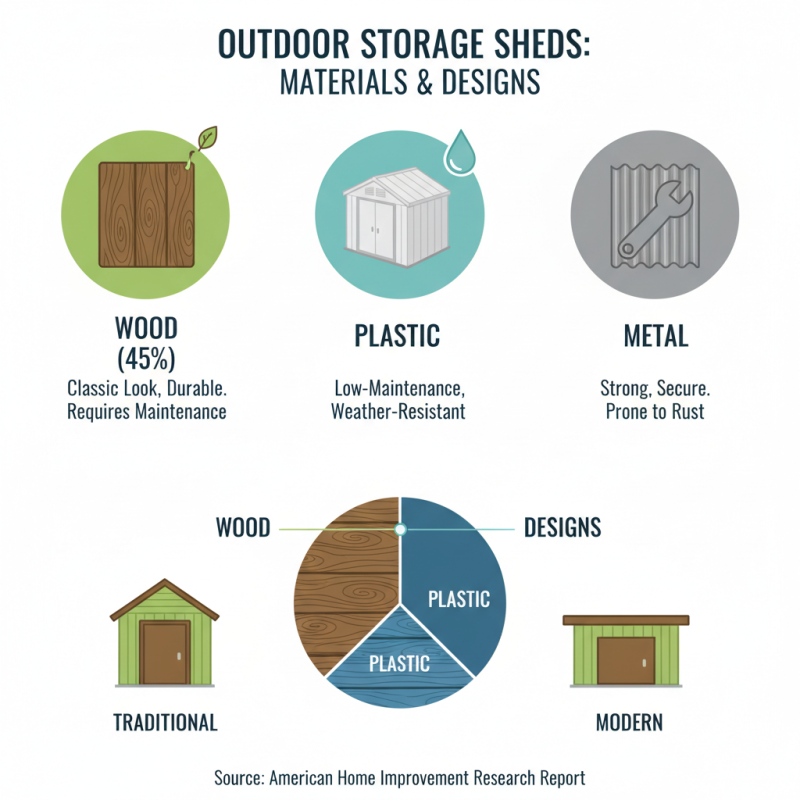
When considering an outdoor storage shed, the choice of materials and designs can greatly influence functionality and aesthetics. Wood, plastic, and metal are the most popular materials. According to the American Home Improvement research report, wooden sheds account for 45% of outdoor storage sales. This is likely due to their classic look and durability. However, wood requires regular maintenance, which some homeowners overlook.
Plastic sheds are gaining traction, representing about 30% of the market. They are lightweight, rot-resistant, and often easier to assemble. Yet, they may lack the rugged charm of wood. Metal sheds round out the options, making up 25% of outdoor storage choices. While they are robust and often secured, they can be prone to rust and might require more effort upfront in terms of installation and location preparation.
The design aspect also plays a crucial role. Gable roofs and lean-tos are among the most common styles. The roof pitch impacts rain and snow runoff. A steeper slope is beneficial in snowy areas. However, the design must fit the surrounding environment. Choosing a style that clashes can detract from the overall appeal of your property. Understanding these details helps ensure your shed meets both functional needs and aesthetic desires.