10 Essential Tips for Choosing the Best Composite Decking Options?
Composite decking has become increasingly popular due to its durability and sustainability. According to a report by the Freedonia Group, composite decking is projected to reach $8.2 billion by 2027. Homeowners seek materials that require less maintenance and offer longevity. As a result, wood-plastic composites often replace traditional wood decking.
Several manufacturers are now producing high-quality composite decking options that come in various colors and styles. However, not all products are created equal. Some may fade or warp over time. Choosing the right composite decking involves considering multiple factors, including cost, aesthetics, and environmental impact.
Data from the North American Deck and Railing Association indicates that 60% of homeowners are influenced by sustainability when selecting decking materials. This highlights the growing importance of not only aesthetics but also the ecological footprint of our choices. Hence, understanding these elements can lead to more informed decision-making, ensuring your decking choice meets both functional needs and ethical standards.
Understanding Composite Decking Materials: Types and Composition
When considering composite decking, it's essential to understand the different materials available. Composite decking primarily consists of a blend of wood fibers and plastic. This combination provides durability, low maintenance, and resistance to moisture.
Many homeowners appreciate the two main types: capped and uncapped composite decking. Capped options have a protective layer that enhances durability and resists fading. Uncapped boards are often more affordable but may require more upkeep. Think about your climate and how much wear and tear your deck will face.
Tip 1: Check the material composition. Look for recycled content for sustainability. It also often indicates better performance. Tip 2: Evaluate warranties. Reliable products often come with substantial warranties, reflecting confidence in their durability.
While composite decking offers many benefits, it's not without trade-offs. Some types may fade over time, and color options can be limited compared to natural wood. Consider your priorities before making a final decision.
Evaluating Durability and Longevity: Industry Standards and Lifespans
When evaluating composite decking, durability and longevity are critical factors. Look for materials that meet industry standards, which often indicate a robust lifespan. Most quality composites withstand harsh weather conditions. Some last 25 years or more with minimal maintenance. They resist fading, staining, and mold better than traditional wood. This makes them ideal for outdoor spaces.
However, not all composites are equal. Some may claim high durability but lack proper testing. Inspect warranty details carefully. A shorter warranty can signal potential weaknesses. It's essential to research product specifications thoroughly. Verify if the manufacturer follows industry guidelines. Inconsistent information may make you second-guess your choice.
Consider your environment too. High humidity or extreme temperatures can impact decking's lifespan. Not all composites handle these conditions well. In some cases, individual boards may warp or fade differently. This variance can lead to visual inconsistencies. Be prepared to adapt your selection based on local climate. A well-informed decision can significantly enhance your outdoor experience.
Assessing Environmental Impact: Recyclability and Sustainability Factors
When choosing composite decking, assessing its environmental impact is crucial. Many consumers are concerned about sustainability factors. A report by the American Plastic Council (2022) found that 75% of composite materials incorporate recycled content. This reflects a growing trend towards eco-friendly products in the construction industry.
Recyclability plays a key role in identifying suitable options. A significant percentage of composite decking can be recycled after its lifespan ends. The Recycled Plastics Association indicates that about 90% of these materials can be processed into new products. However, not all manufacturers follow the same practices. Some eco-friendly claims may be exaggerated, requiring further investigation.
Sustainability also encompasses the sourcing of materials. Many composites are derived from wood fibers and plastics. The Forest Stewardship Council (FSC) highlights the importance of using sustainably sourced wood fibers to mitigate deforestation. Still, consumers should be vigilant. Without proper certification, claims of sustainability could be misleading. As such, it is essential to research and verify the sourcing of materials in composite decking options.
Cost-Effectiveness Analysis: Initial Investment vs. Long-term Savings
When considering composite decking, cost-effectiveness is a key factor. The initial investment may be higher than traditional wood. However, long-term savings can make up for it.
Composite materials resist rotting, splintering, and fading. This durability can reduce long-term maintenance costs significantly.
Maintenance is critical. Unlike wood, composite decking doesn’t require regular staining or sealing. This means more free time for homeowners. Many overlook the cost of maintenance when budgeting. A seemingly cheap wood deck can turn expensive over the years. Replacing rotting boards or repainting can add up.
When weighing options, think about longevity. A good composite deck could last over 25 years. Weigh this against the shorter lifespan of wood. The choice isn't just about what looks good upfront. Reflect on the total cost over time. Is it worth the initial savings? Investing in quality from the start could yield more benefits down the road.
Aesthetic Choices: Color, Texture, and Design Trends in Composite Decking
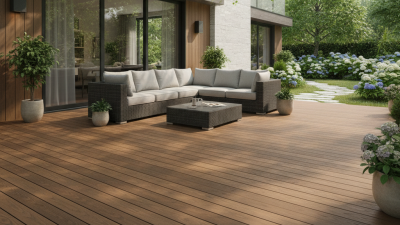
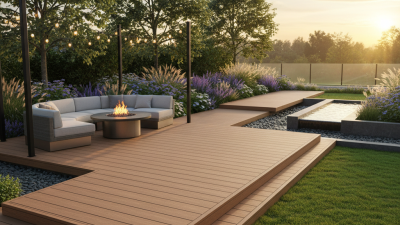
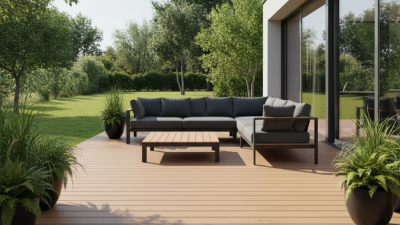
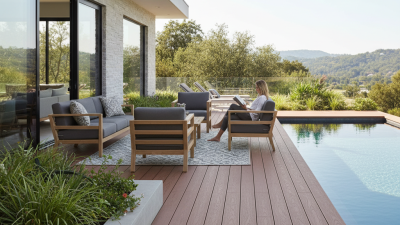
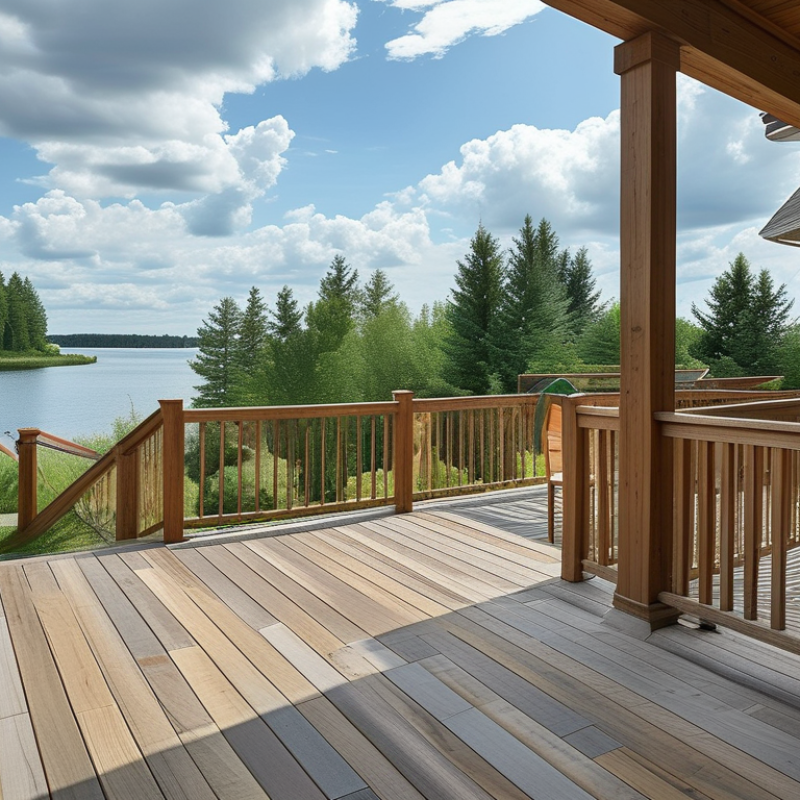
Choosing the right composite decking involves more than just structural integrity; aesthetics play a major role. Color is one of the most visible aspects. Lighter hues can brighten a space, while darker shades bring warmth and intimacy. Picking a color also depends on your home’s exterior. Consider how the decking color will interact with nearby elements like railings and furniture.
Texture adds another layer of appeal. Many composite decks offer different textures to mimic natural wood. This touch enhances the visual interest and provides a non-slip surface. However, it’s essential to evaluate how the texture will feel underfoot and its durability over time.
Trends in design continue to evolve. For example, contrasting colors are popular, where darker railings complement lighter decking. This can create a stunning visual effect, but it might require more maintenance.
Lastly, design trends often reflect local architecture. It’s worth researching what styles resonate in your area. Try not to rush the decision. Decisions made in haste can lead to regret. Take the time to visualize how your choices will fit together in your outdoor space. A well-planned deck is both functional and beautiful.