How to Install WPC Cladding for a Durable and Stylish Finish?
WPC Cladding has gained popularity for both its durability and stylish appeal. It blends natural wood aesthetics with synthetic materials, offering resistance to weathering and pests. Installing WPC Cladding can elevate the look of your home or outdoor space significantly.
Choosing the right installation method is crucial. Missteps here can affect long-term performance. Many overlook proper sealing and alignment, leading to gaps or uneven surfaces. Attention to detail during installation can make a huge difference.
Consider the environment too. WPC Cladding is an eco-friendly option, but improper disposal can negate its benefits. By focusing on sustainable practices, we contribute to a healthier planet while enhancing our spaces. Take your time and ensure that each step is correctly followed for a stunning finish.
Understanding WPC Cladding: Benefits and Applications in Modern Design
WPC cladding, or Wood-Plastic Composite cladding, offers a modern solution for exterior finishes. Made from a blend of wood fibers and recycled plastics, WPC is appealing for both its durability and aesthetic. A recent industry report states that the global WPC market is projected to reach $10 billion by 2025, indicating its rising popularity in construction and design.
One major benefit of WPC cladding is its resistance to moisture and pests. Unlike traditional wood, it doesn’t rot or warp easily. This makes it a practical choice for regions with heavy rainfall or high humidity levels. Additionally, WPC requires less maintenance than wood, saving time and costs for homeowners.
Tips: When choosing WPC cladding, consider the color and texture that will complement your home’s style. Some finishes may fade over time, so select a product that maintains its appearance. Be cautious of installation methods; improper installation can lead to issues down the line. Regularly check for signs of wear and be aware that not all WPC products are created equal, so research is essential.
Materials Needed for WPC Cladding Installation: Tools and Supplies Overview
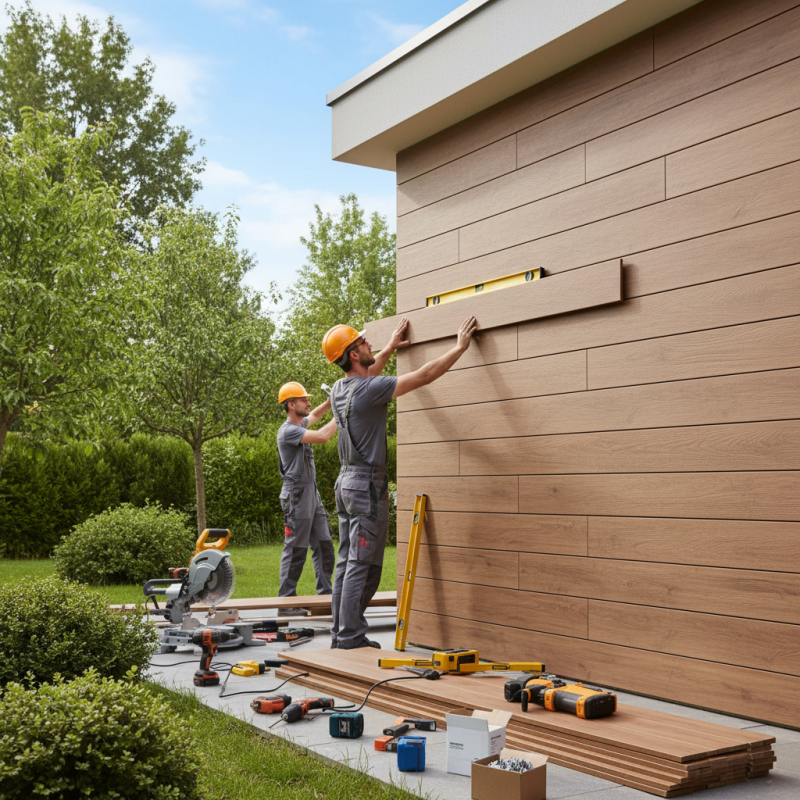
When embarking on a WPC cladding project, having the right materials is crucial. You will need WPC boards designed for cladding. They come in various colors and textures, adding a stylish finish to your space. Additionally, ensure you have a saw for cutting the boards to size. A measuring tape is essential for accuracy. You may want to consider a level tool to guarantee straight lines.
Don’t forget about fasteners. Stainless steel screws are ideal as they resist corrosion over time. Some prefer hidden clips for a seamless look. A drill is vital for fixing the cladding securely. Also, wear safety gear like gloves and goggles for protection while working. Mistakes can happen, so anticipate extra boards for any miscalculations.
A clean workspace is important, too. Gather all the materials before starting. It is easy to overlook minor tools, but they can save time later. Having everything ready reduces frustration. Consider creating a checklist to avoid missing items. Pay attention to details during installation, as this ensures durability in the long run.
Step-by-Step Guide to Preparing the Surface for WPC Cladding
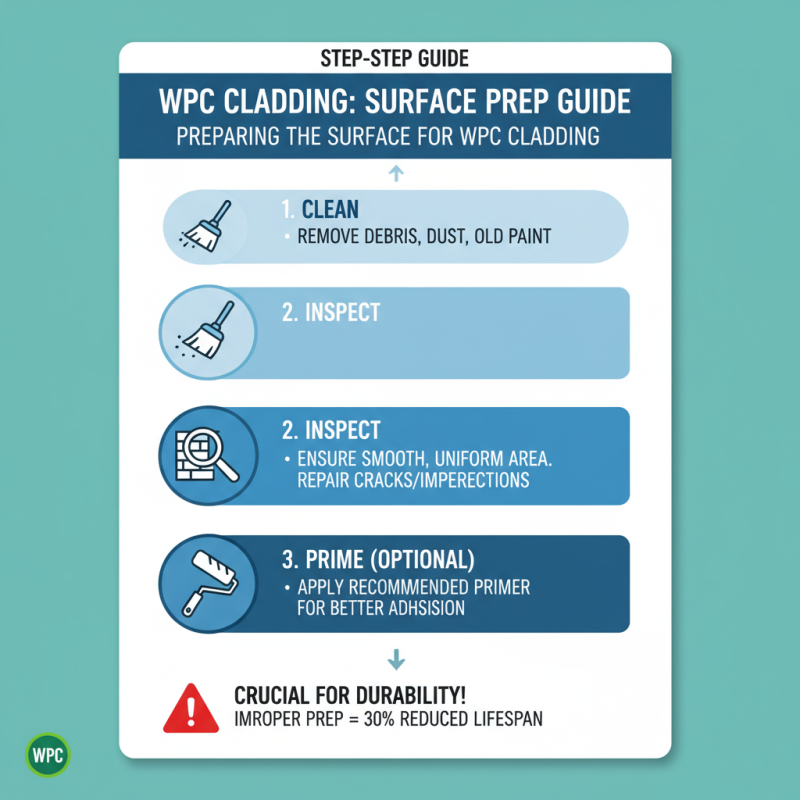
Preparing the surface for WPC cladding is crucial for achieving a durable finish. Start by ensuring the installation area is clean. Remove debris, dust, and old paint. A poorly prepared surface can lead to problems later. Research indicates that improper surface prep can reduce fixture lifespan by up to 30%.
Next, assess the moisture levels. High humidity can compromise adhesion. Use a moisture meter to check your surface. Ideally, moisture levels should be below 15%. If they are higher, consider a drying method before proceeding. Make sure to fill any cracks or gaps in the surface. This step will enhance your cladding’s performance. Remember, a smooth surface promotes a proper fit and finish.
Tips: Use a level to check the evenness of your surface. An uneven base can cause significant issues post-installation. Also, ensure you have the right tools at hand. This can save time and reduce frustration during installation. Additionally, take the time to reflect on your preparation process. Learn from any mistakes as you go. Each project is an opportunity for improvement.
Techniques for Properly Installing WPC Cladding Panels and Fasteners
When installing WPC cladding, the right technique is crucial for achieving durability and style. Research indicates that well-installed cladding can improve longevity by up to 30%. It’s essential to follow best practices to avoid common mistakes. The alignment of panels is vital. Uneven installation can lead to gaps and potential water damage over time.
Using high-quality fasteners is equally important. Choose corrosion-resistant screws to prevent rust, which can compromise the integrity of your cladding. Experts suggest pre-drilling holes in the panels. This helps avoid splitting, which is a common issue in WPC materials. Adequate spacing between panels allows for expansion due to temperature changes, mitigating warping or cracking.
Taking time during installation pays off. Some homeowners rush this process, leading to regrettable outcomes. Poorly installed cladding might need replacement sooner than expected. The aesthetics can be affected as well. Smooth, uniform finishes are desirable. Sloppy work may diminish the visual appeal of your project. Aim for precision and care during each step to achieve the best results.