Top Tips for Choosing the Best Decking Boards for Your Project?
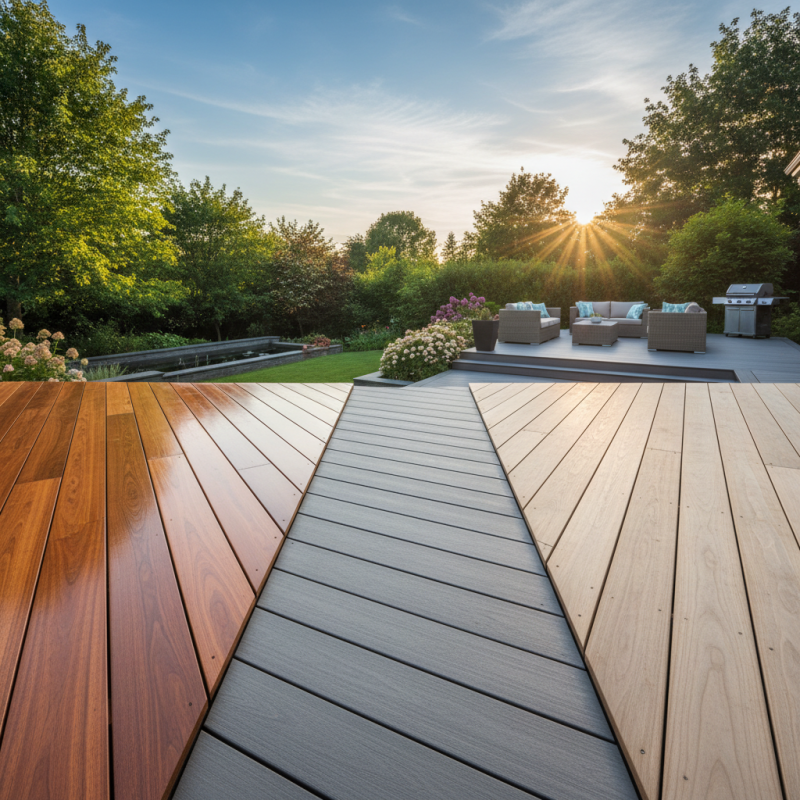
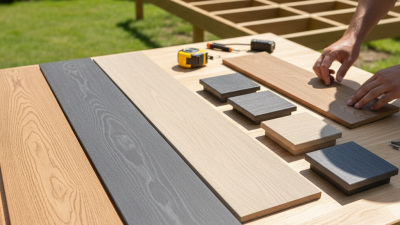
Choosing the right decking boards can transform your outdoor space. The options available are vast, making the selection process daunting. Different materials, styles, and finishes can impact your decision.
Consider your budget and maintenance requirements. Some decking boards require more upkeep than others. Wood may offer a classic look, but it needs regular sealing. Composite materials are low-maintenance but can come with a higher price tag.
Reflect on your lifestyle and the environment where you live. Your climate plays a crucial role in durability. Think about how often you will use the space. It might affect your preference for comfort over aesthetics. Ultimately, choosing decking boards is a blend of personal taste and practical need. Make informed choices and enjoy your project.
Factors to Consider When Choosing Decking Boards for Durability
When considering durability in decking boards, several factors come into play. The type of material significantly impacts longevity. According to industry studies, composite materials can last over 25 years with proper maintenance, outperforming traditional wood options. In contrast, untreated softwoods may only last 10 to 15 years. Choosing the right treatment for wood is vital. Pressure-treated wood often increases resistance to rot and insects.
Climate also affects durability. In regions with high humidity, boards should withstand moisture to prevent warping. Research from the Decking Association indicates that boards with a dense cellular structure resist the absorption of water better. Moreover, UV exposure can fade colors and weaken materials over time, leading to potential failures. Selecting boards designed for extreme weather conditions can mitigate these issues.
Regular maintenance cannot be overlooked. Even the best materials require upkeep. This includes periodic sealing and cleaning. Neglecting maintenance can accelerate deterioration, regardless of the original quality. It's crucial to understand that all decking materials have limitations. Real durability comes from informed choices and diligent care.
Comparing Material Options: Wood, Composite, and PVC Decking Boards
Choosing the right decking boards is essential for any outdoor project. When comparing materials, wood, composite, and PVC offer distinct advantages and challenges. Each type brings its own set of characteristics, which can influence your decision.
Wood decking is a classic choice. It provides natural beauty and warmth. However, it requires ongoing maintenance to prevent rot and splintering. Many homeowners struggle with this upkeep. The appeal of timber can fade if not properly cared for. Composite decking, on the other hand, is low-maintenance and resistant to fading and staining. It often mimics the look of wood, making it a popular alternative. Yet, its higher initial cost might deter some buyers. It’s worth reflecting on long-term savings versus upfront costs.
PVC decking stands out for durability and moisture resistance. It doesn't warp, crack, or splinter, making it a safe option. However, it is often criticized for lacking the authentic look of wood. Many people find the visuals less appealing. Consider how aesthetics will impact your outdoor space. Each material has strengths and weaknesses. Balancing these with your project goals is crucial for a satisfying outcome.
Top Tips for Choosing the Best Decking Boards for Your Project
| Material Type |
Durability |
Maintenance |
Cost (per sq ft) |
Lifespan |
| Wood |
Moderate |
High (regular sealing) |
$3 - $10 |
10 - 15 years |
| Composite |
High |
Low (occasional cleaning) |
$5 - $12 |
25 - 30 years |
| PVC |
Very High |
Very Low (easy to clean) |
$7 - $15 |
30+ years |
Understanding Decking Board Dimensions and Their Impact on Stability
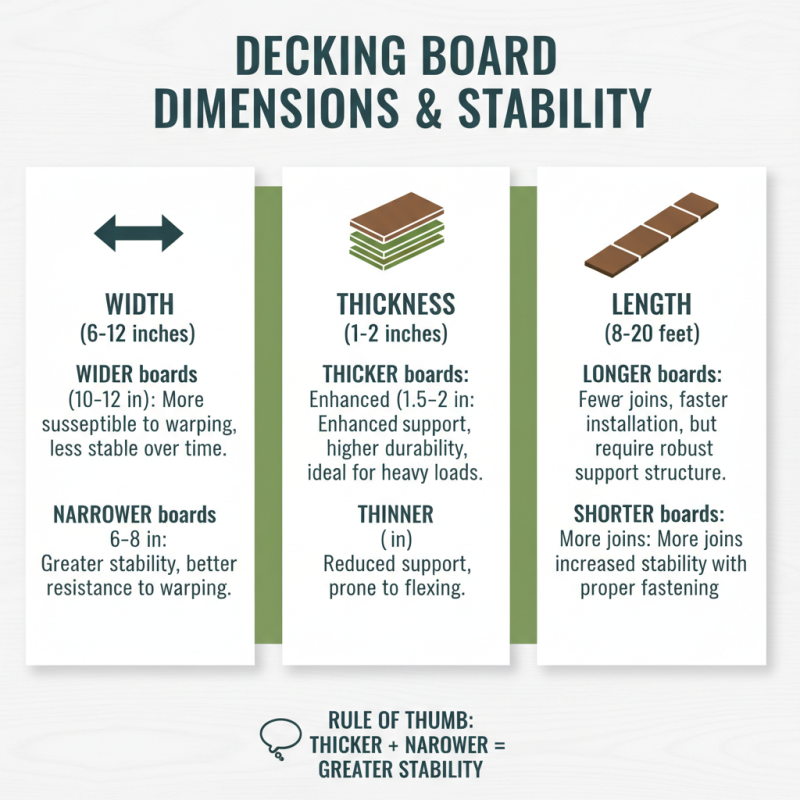
When it comes to decking boards, dimensions significantly influence stability and durability. The width, thickness, and length of the boards determine how well they can withstand pressure and weather conditions. Standard widths often range from six to twelve inches, with thicker boards providing better support. However, wider boards may warp more easily, raising concerns about longevity.
Understanding spacing is equally crucial. A proper gap between boards allows for water drainage and expansion during temperature changes. If boards are too close, it can lead to warping and mold issues. Typically, a quarter-inch gap works well for most climates. This gap creates a comfortable environment for the material while ensuring stability.
Choosing the right dimensions is not just about aesthetics. It is about making a smart investment in your project. Reflecting on how the chosen sizes perform over time is necessary. Often, people overlook the balance between visual appeal and structural integrity. Selecting the wrong dimensions may cost more in repairs down the road. It’s critical to weigh these factors with care and make informed decisions.
Evaluating Cost vs. Longevity: How to Maximize Your Investment
When evaluating cost versus longevity in decking boards, it's crucial to consider the materials. A study by the North American Deck and Railing Association reports that composite decking, while often pricier upfront, can last 25 to 30 years. Traditional wood decking may cost less but typically lasts only 15 to 20 years, depending on maintenance. This difference can significantly impact long-term investment.
Maintenance costs for wood can add up quickly. Regular sealing, staining, and repairs are necessary to protect against weather and insects. In contrast, composite materials require minimal upkeep, often just soap and water. However, initial costs can range from $3 to $12 per square foot for composites, while wood varies from $1 to $5. This disparity prompts important reflections on what you value more: lower initial costs or reduced future expenses.
It's essential to assess your project's specific needs. Will it be used heavily? High traffic areas might warrant more durable options. Additionally, climate plays a role. In wetter regions, wood may deteriorate faster. Understanding these factors allows you to make a more informed, reflective choice. Balancing these elements helps maximize your investment in decking boards, ensuring durability and satisfaction.
Cost vs. Longevity of Decking Materials
Maintenance Requirements for Different Types of Decking Boards
When selecting decking boards, maintenance is a key factor to consider. Different materials require varying levels of upkeep. For instance, natural wood decking often demands regular staining or sealing to protect against moisture and pests. The beauty of wood is undeniable, but it may not be the easiest option in terms of maintenance. It can warp, splinter, and fade over time.
On the other hand, composite decking is designed for durability with less maintenance. Typically made from recycled materials, composites resist rot and do not require staining. However, they can accumulate dirt and mildew. Regular cleaning is needed to keep the surface looking new. While some homeowners love the low-maintenance appeal, others miss the authentic character of wood.
PVC decking presents a unique choice. It's resistant to fading, scratching, and mold. This means less frequent upkeep compared to both wood and composite options. Still, some people find the appearance less natural. Every type has its pros and cons, and the choice ultimately depends on your lifestyle and project goals. Be sure to weigh these maintenance aspects carefully before making your decision.