Top 10 Benefits of Exterior WPC Wall Cladding for Your Home?
When considering home renovations, the choice of materials can significantly impact both aesthetics and durability. Renowned expert in WPC design, Dr. Emily Carter, notes, "Exterior WPC Wall Cladding not only enhances a home's beauty but also offers long-lasting protection." This innovative cladding solution combines wood and plastic to deliver superior resistance to moisture and pests.
Homeowners today seek materials that require minimal maintenance yet offer maximum visual appeal. Exterior WPC Wall Cladding meets these demands. Its appealing finish can replicate natural wood while providing additional strength and longevity. However, like any product, it’s crucial to select high-quality brands. Not all cladding offers the same level of performance, which can lead to frustration if expectations are not met.
Moreover, while the benefits are plentiful, it’s essential to weigh potential drawbacks. Installation can sometimes be complex, requiring skilled labor to ensure optimal results. Also, the initial investment might be higher than traditional materials. Nonetheless, the long-term savings on maintenance and replacement often justify the expense.
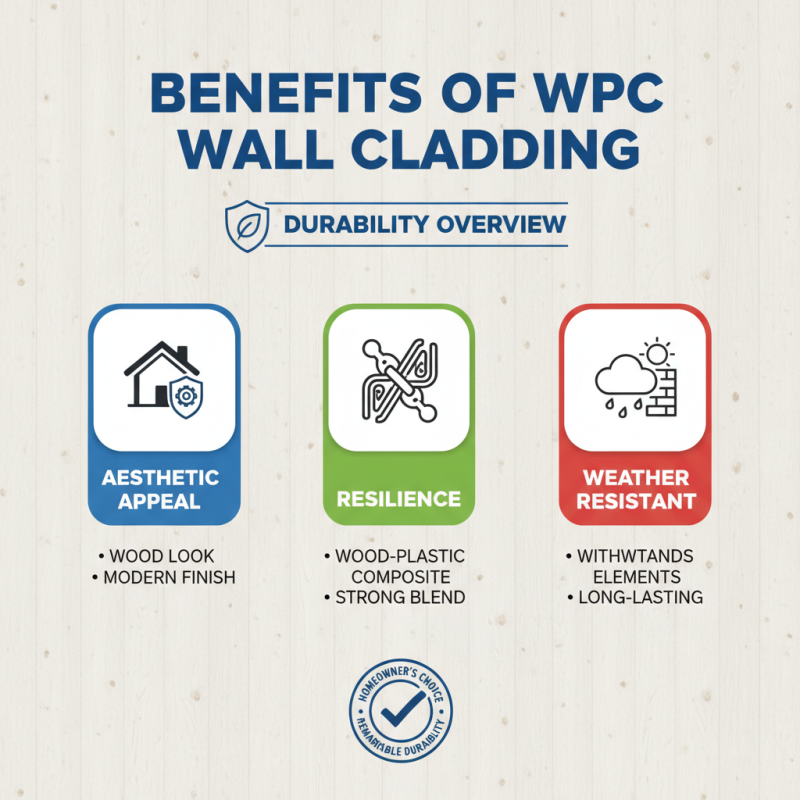
Benefits of WPC Wall Cladding: An Overview of Durability
When considering options for home exterior finishes, WPC wall cladding stands out. Its durability is notable, making it an attractive choice for homeowners. WPC, or wood-plastic composite, combines the best of both worlds: the aesthetic appeal of wood and the resilience of plastic. This blend helps it withstand harsh weather, which can be a concern for many environments.
Beyond aesthetics, WPC wall cladding is resistant to rot and pests. Traditional wood may decay or attract termites, while WPC offers a long-lasting solution. It requires minimal maintenance compared to conventional materials. Over time, homeowners will save on repair costs and replacement efforts. However, one should remember that while WPC is strong, it can still fade under intense sunlight and may require periodic cleaning.
In terms of environmental impact, WPC is an option worth considering. It often utilizes recycled materials, reducing waste. Yet, the production process is not completely free from environmental concerns. Engaging in reflection about sustainability is essential when choosing materials. WPC can be an excellent choice, but it's crucial to understand both its advantages and limitations.
Aesthetic Appeal: Enhancing Your Home's Exterior with WPC Cladding
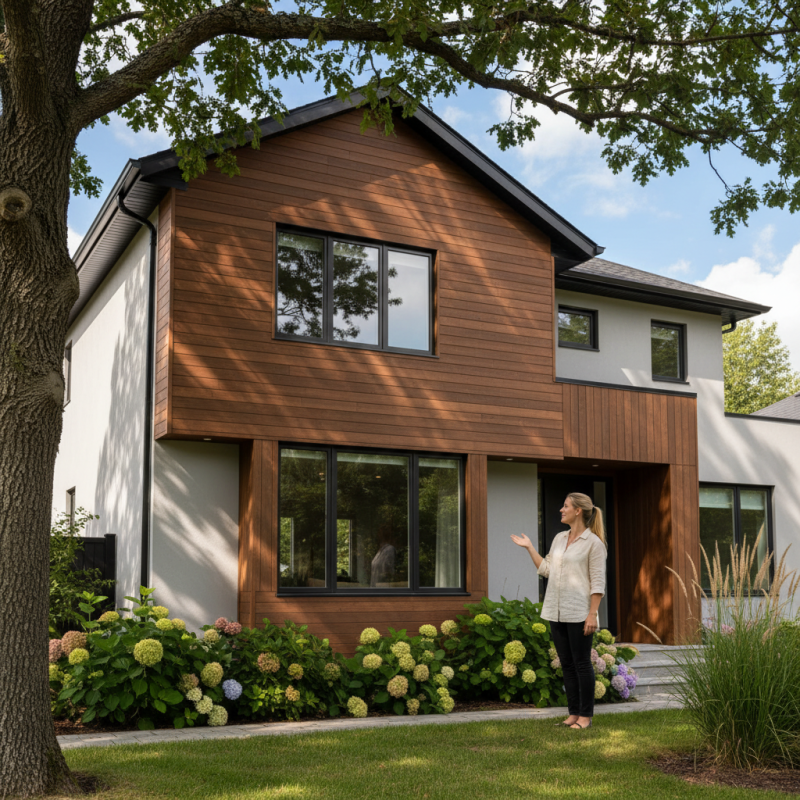
Exterior WPC wall cladding provides a perfect blend of aesthetics and durability. It enhances the visual appeal of homes with its natural wood-like texture. According to a recent report by the National Association of Home Builders, homes with appealing exteriors can sell for up to 7% more than those without. This showcases the significant impact of appealing design on property value.
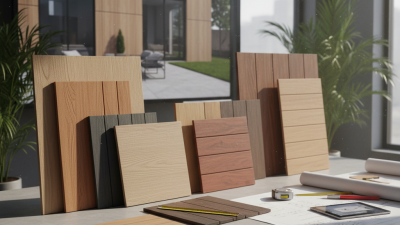
The versatility of WPC cladding allows for various colors and finishes, adapting to different architectural styles. Available in diverse patterns, it gives homeowners the freedom to create a unique look. A study by the Building Materials Association found that 62% of homeowners prioritize aesthetics when selecting exterior materials. It indicates that visual appeal significantly influences their choices.
However, there are challenges. While WPC cladding is durable, poor installation can lead to issues like warping or fading. Homeowners should hire experienced professionals to ensure quality workmanship. According to the American Society of Interior Designers, up to 30% of home renovation budgets can be wasted on installation errors. It's crucial to invest wisely to avoid costly mistakes in achieving that perfect aesthetic appeal.
Top 10 Benefits of Exterior WPC Wall Cladding
Low Maintenance Requirements of WPC Wall Cladding Explained
One of the standout features of WPC wall cladding is its low maintenance requirement. Unlike traditional wood, it does not require regular painting or staining. This is a significant advantage for homeowners. They can save both time and money. The material is engineered to resist weathering and fading, ensuring it retains visual appeal. A simple wash every few months is usually enough to keep it looking fresh.
WPC, or wood-plastic composite, is designed to withstand elements. It won’t crack, warp, or splinter like regular wood. This durability means fewer repairs and replacements over time. However, there might be instances where mold or mildew could form in damp conditions. Regular maintenance is needed to prevent this. Although most homeowners find this minimal effort is still preferable to the extensive upkeep of traditional siding options.
Another benefit is the reduction in the need for harsh chemical cleaners. Environmentally conscious individuals appreciate this aspect. WPC is made from recycled materials, further promoting sustainability. While this product has numerous benefits, it’s essential to recognize that poor installation can lead to complications. Ensuring a professional installation can prevent future headaches and enhance the product's lifespan.
Environmental Advantages: Sustainability of WPC Materials
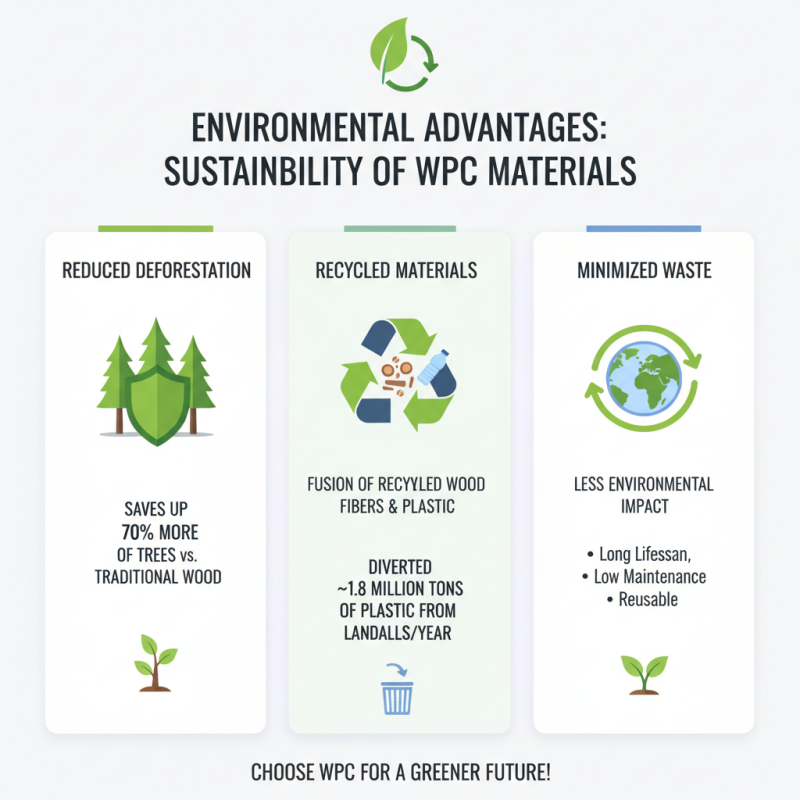
WPC (Wood Plastic Composite) materials offer significant environmental advantages, making them a popular choice for exterior wall cladding. The fusion of recycled wood fibers and plastic contributes to their sustainability. Studies indicate that using WPC can reduce deforestation, conserving up to 70% more trees compared to traditional wood. This shift to recycled materials minimizes waste, diverting around 1.8 million tons of plastic from landfills annually.
Moreover, WPC wall cladding is produced with energy-efficient methods. Research shows that up to 60% less energy is consumed during its manufacturing compared to conventional materials. This process not only lowers carbon emissions but also showcases a commitment to eco-friendly building practices. The durability of WPC extends the life of exterior solutions, reducing the need for frequent replacements. This extended lifespan can lead to less overall waste in the environment.
Despite these benefits, it’s essential to remain aware of some drawbacks. WPC materials can be sensitive to extreme temperatures. Installation requires careful consideration to avoid warping or fading over time. Awareness of these factors is crucial for homeowners aiming for sustainability without compromising quality. Seeking expert advice when choosing WPC can mitigate potential issues and maximize the ecological benefits.
Cost-Effectiveness: Long-Term Savings with WPC Wall Cladding
WPC wall cladding offers significant cost-effectiveness for homeowners. The initial investment may seem high, but its long-term savings outweigh the upfront costs. Unlike traditional materials, WPC is resistant to moisture, rot, and insects. This durability means fewer repairs and replacements over time. Homeowners often find themselves spending less on maintenance.
Longevity is key. WPC wall cladding can last for decades with minimal upkeep. This reduces the frequency and cost of repainting or refinishing. Additionally, WPC is energy-efficient. It helps regulate indoor temperatures, potentially lowering heating and cooling bills.
Homeowners may feel hesitant about new materials. Some worry about looks or performance. However, many find that the aesthetics of WPC can enhance their home’s appeal. Choosing WPC means investing in a material that not only looks good but also saves money. It’s important to consider these long-term benefits when making decisions. Valid research and expert advice can guide the right choice.
Top 10 Benefits of Exterior WPC Wall Cladding for Your Home
| Benefit |
Description |
Long-Term Savings |
| Durability |
WPC wall cladding is highly resistant to moisture, rot, and pests. |
Reduces replacement costs over time. |
| Low Maintenance |
Requires minimal upkeep compared to traditional materials. |
Saves money on maintenance services. |
| Aesthetic Appeal |
Available in various colors and finishes to enhance home design. |
Increases property value and attractiveness. |
| Energy Efficiency |
Provides insulation, helping to maintain indoor temperature. |
Lowers heating and cooling costs. |
| Eco-Friendly |
Made from recycled materials and is fully recyclable. |
Reduces environmental impact, potential tax incentives. |
| Weather Resistance |
Withstands extreme weather conditions without damage. |
Decreases costs from repairs and replacements. |
| Fire Resistant |
Designed to have good fire resistance properties. |
Potentially lowers insurance premiums. |
| Versatility |
Suitable for various architectural styles and applications. |
Widens design options without extra costs. |
| Installation Process |
Quick and easy installation, often requiring less labor. |
Saves on labor costs during installation. |
| Sound Insulation |
Provides additional soundproofing qualities. |
Enhances comfort and may increase property value. |