As a leading plastics recycler and producer of green composite.

Leave Your Message

Top 10 Benefits of Wpc Decking Boards for Your Outdoor Spaces?

WPC decking boards have become a popular choice for outdoor spaces due to their durability and aesthetic appeal. According to a report by Freedonia Group, the composite decking market is expected to reach $3.9 billion by 2025, indicating a significant trend towards sustainable building materials. This growth can be attributed to the long-lasting nature of WPC decking boards, which combine wood fibers and plastic to resist decay and insects.

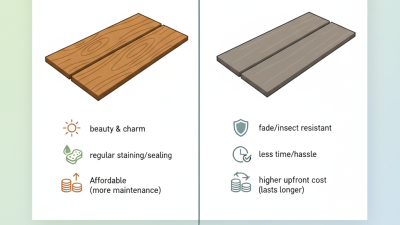
Moreover, WPC decking boards require minimal maintenance compared to traditional wood. A survey by the American Wood Council highlighted that users experience 30% lower maintenance costs with WPC materials. This fact is crucial for homeowners seeking both beauty and practicality. However, it's important to recognize that not all products are created equal. Quality can vary, leading to potential dissatisfaction.

In the realm of outdoor design, WPC decking boards offer diverse aesthetic options, from colors to textures. This versatility allows homeowners to create unique spaces that reflect their style. Understanding these benefits can enhance your outdoor experience while making informed choices about your materials.
Top 10 Benefits of Wpc Decking Boards for Your Outdoor Spaces?

Understanding WPC Decking: A Sustainable Outdoor Solution

WPC decking, or wood-plastic composite decking, is gaining popularity for outdoor spaces. It combines recycled wood fibers and plastic, making it a sustainable choice. Using WPC decking can significantly reduce the demand for natural wood. This shift helps conserve forests and protects ecosystems.

This material is not only eco-friendly but also durable. It withstands various weather conditions without warping or splintering. WPC decking requires minimal maintenance, which can save you time and money. Unlike traditional wood, it does not need repainting or staining. However, some users have noted it doesn't fully replicate the natural look of wood, leading to mixed feelings.

The installation process can be straightforward, but not every DIY enthusiast finds it easy. Some might encounter challenges due to the material's density. In some cases, the initial costs may feel steep, casting doubt on its long-term value. Yet, when considering longevity and reduced upkeep, many find it's a wise investment. Its versatility allows for various designs that enhance outdoor aesthetics, showing the potential of WPC decking as a viable solution for sustainable outdoor living.

Top 10 Benefits of WPC Decking Boards for Your Outdoor Spaces

Benefit Description Sustainability Maintenance
Durability Resistant to weather, insects, and rot. Made from recycled materials. Low maintenance, requires minimal upkeep.
Aesthetic Appeal Available in various colors and textures. Natural wood look without harming trees. Easy to clean; no need for staining or sealing.
Slip Resistance Textured surface reduces fall risk. Safe for children and pets. Requires regular rinsing to maintain safety.
Eco-Friendly Contains no harmful chemicals. Sustainable production methods. Minimal environmental impact over its lifetime.
Versatility Ideal for decks, patios, and walkways. Variety of applications in outdoor design. Easily integrates with outdoor furnishings.
Color Retention Resists fading from UV exposure. Maintains appearance over time. Minimal color touch-ups needed.
Cost-Effectiveness Longer lifespan compared to traditional wood. Less frequent replacements reduce costs. Saves money on maintenance supplies.
Resistance to Mold and Mildew Limited growth of fungi and bacteria. Promotes a healthier outdoor environment. Requires less frequent cleaning.
Installation Ease User-friendly installation process. Quick setup reduces labor costs. DIY friendly for homeowners.
Heat Resistance Stays cooler than traditional wood. Comfortable underfoot in hot weather. Reduces the need for shade structures.

Durability and Longevity: Why Choose WPC Over Traditional Materials

WPC decking boards offer outstanding durability and longevity, making them an excellent choice for outdoor spaces. Unlike traditional wood, WPC is resistant to warping, cracking, and splintering. It can withstand harsh weather conditions, from scorching sun to heavy rain. Imagine stepping onto a surface that remains smooth and safe, even after years of exposure. This quality is crucial for families with children and pets who need reliable outdoor areas.

Moreover, WPC requires minimal upkeep. Unlike wood, it does not need regular staining or sealing. A simple wash with soap and water is usually sufficient to maintain its appearance. This ease of maintenance can save time and effort in the long run. However, some might find that WPC does get hotter in direct sunlight compared to traditional materials. This is a point to consider for those living in warmer climates.

Additionally, the impact of WPC on the environment is notable. Many products incorporate recycled materials, reducing waste and promoting sustainability. Yet, not all WPC is created equally, and some variations may not perform as well as others. Awareness of these differences can shape informed decisions in material selection. Embracing WPC for your outdoor needs is a step towards a more durable and environmentally friendly choice.

Low Maintenance Requirements of WPC Decking for Busy Homeowners

WPC (Wood Plastic Composite) decking boards are transforming outdoor spaces, especially for busy homeowners. These boards require minimal maintenance, making them ideal for those with tight schedules. A study published by the American Society for Testing and Materials revealed that WPC decking needs 50% less maintenance than traditional wood decking. This means no frequent sanding or staining.

Homeowners can simply wash WPC boards with soapy water. This quick cleaning solution eliminates the need for time-consuming upkeep. Additionally, WPC decking is resistant to mold, mildew, and insects. A report by the National Association of Home Builders indicates that 60% of homeowners prioritize low-maintenance materials in their outdoor projects.

However, it’s important to be aware of some limitations. While WPC is durable, it may fade over time due to sun exposure. Homeowners should consider protective coatings or shaded areas. Balancing ideal aesthetics with practicality can be challenging. Finding the right WPC product for your specific needs requires careful research.

Aesthetic Versatility: Design Possibilities with WPC Decking Boards

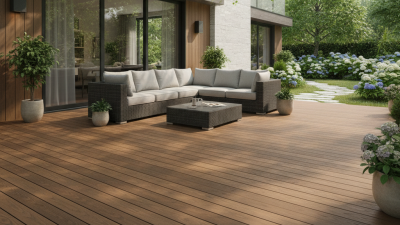
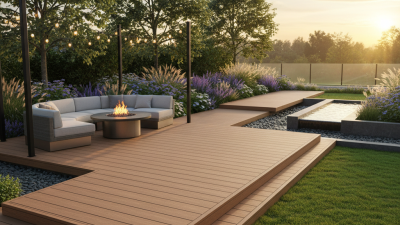
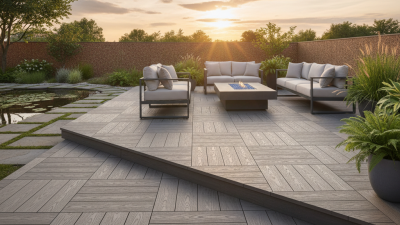
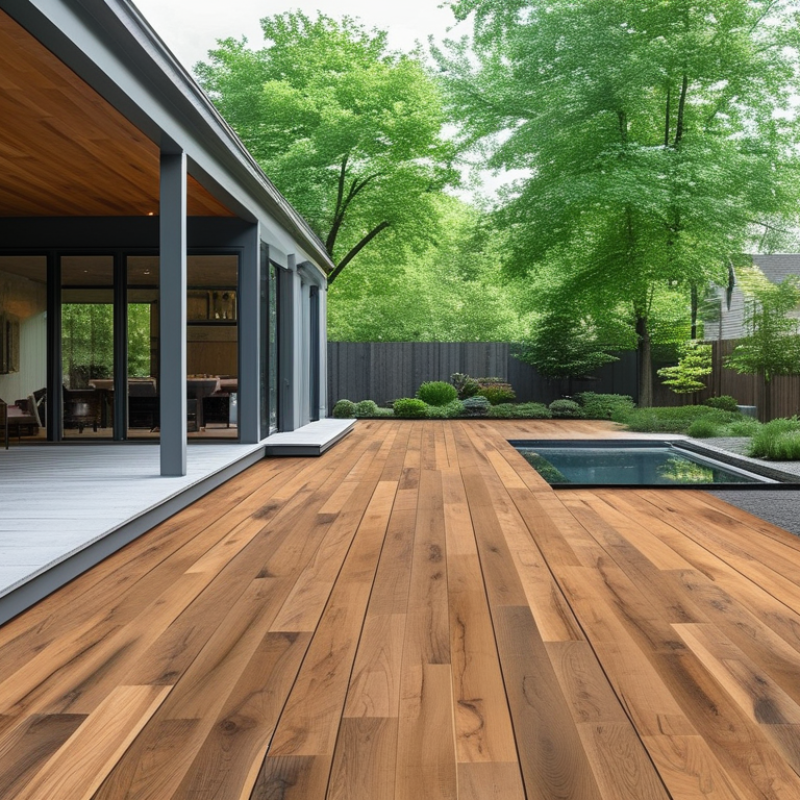
WPC decking boards offer impressive aesthetic versatility for outdoor spaces. Made from a blend of wood fibers and plastic, these boards come in various colors and finishes. Homeowners can easily find options that complement any landscape design, enhancing the visual appeal of their patios or decks. A study showed that 70% of homeowners prefer the natural wood appearance of WPC decking over traditional options.

The grain patterns and textures mimic real wood, but without the maintenance hassle. WPC boards resist fading and splintering, allowing them to maintain their look for years. This durability means you can choose a unique design without worrying about deterioration. Additionally, many suppliers offer customizable options. For instance, you can select a specific color scheme to match your home’s architectural style.

There’s room for reflection. While many enjoy the aesthetics of WPC, some users may have concerns about its long-term performance. Are the color choices truly lasting? Testing shows that some lower-quality WPC can fade more quickly. It's important to research and find reliable sources. Overall, WPC decking boards provide numerous design possibilities that can transform an outdoor space into a stunning oasis.

Environmental Benefits of Using WPC in Outdoor Spaces

WPC (wood-plastic composite) decking presents a sustainable choice for outdoor spaces. It combines recycled wood fibers and plastic, making it an eco-friendly alternative. Industry reports indicate that using WPC can reduce wood waste by approximately 70%. This helps in conserving forests and promotes responsible resource management.

Another significant environmental benefit is the reduced carbon footprint. WPC products can absorb carbon during their life cycle, contributing positively to the environment. Research from the Environmental Protection Agency shows that composite materials release fewer greenhouse gases compared to traditional timber decking. This makes WPC a smart choice for eco-conscious homeowners.

Tips: Consider using WPC boards sourced from post-consumer waste. This not only enhances sustainability but also minimizes the need for new materials. Pay attention to maintenance—keeping decks clean can extend their lifespan. Remember, although WPC is durable, it still requires occasional cleaning to maintain its appeal.

Top 10 Benefits of WPC Decking Boards for Your Outdoor Spaces

This bar chart illustrates the top benefits of WPC decking boards. Each benefit is rated based on its importance and effectiveness, providing a clear overview of why WPC decking is an excellent choice for outdoor spaces.