



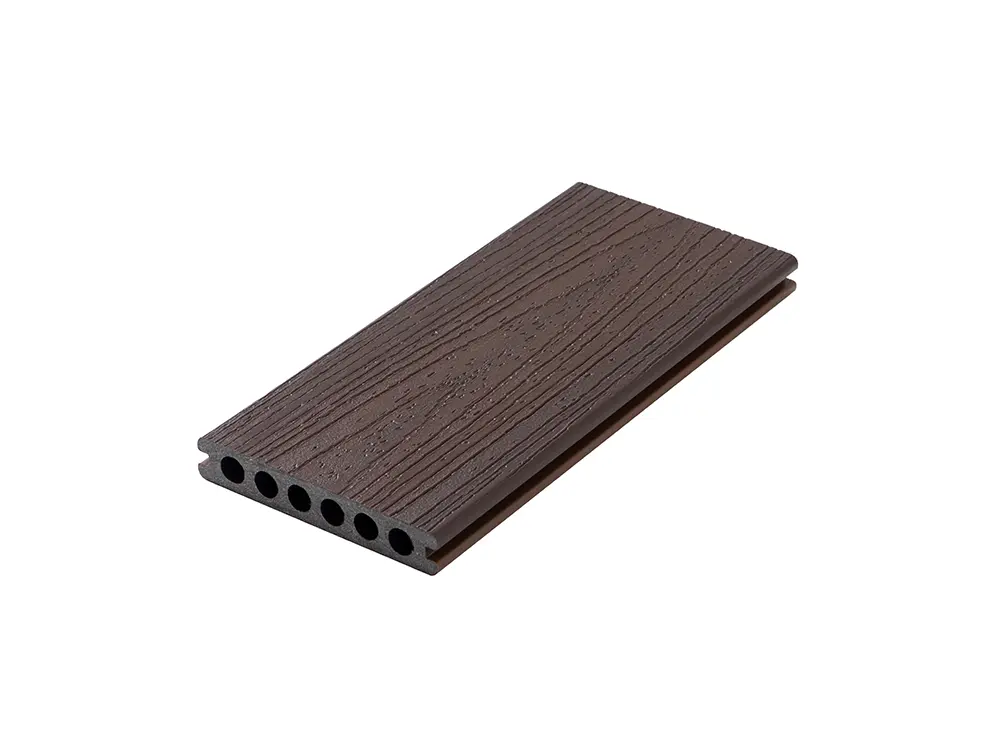
Performance and Applications of Different Types of Wood–Plastic Composites
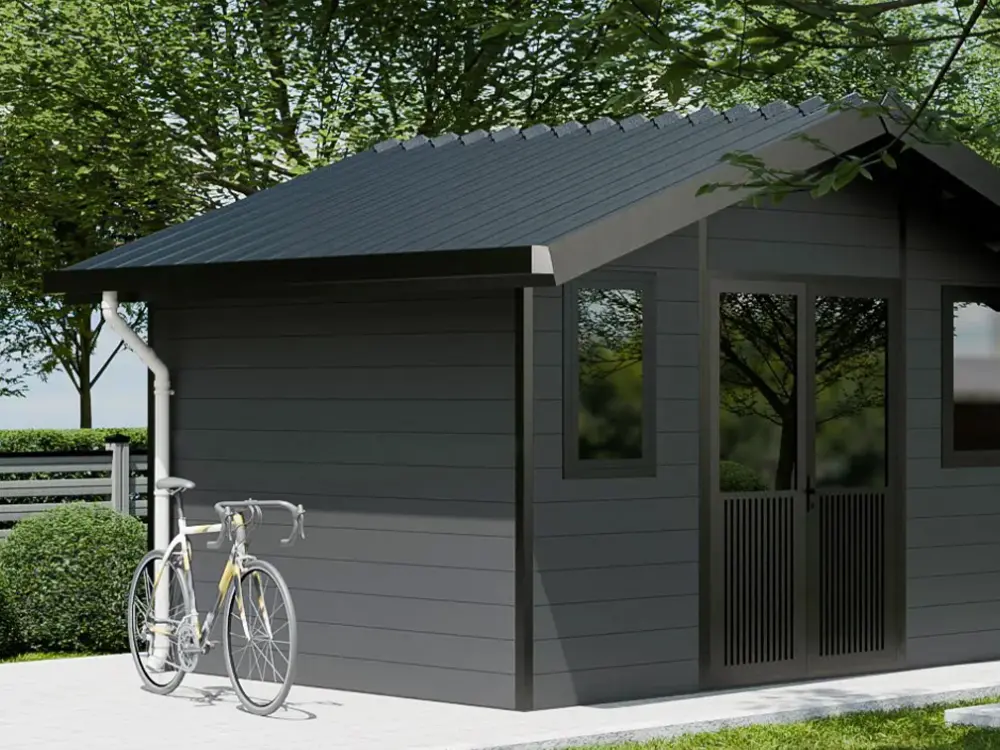
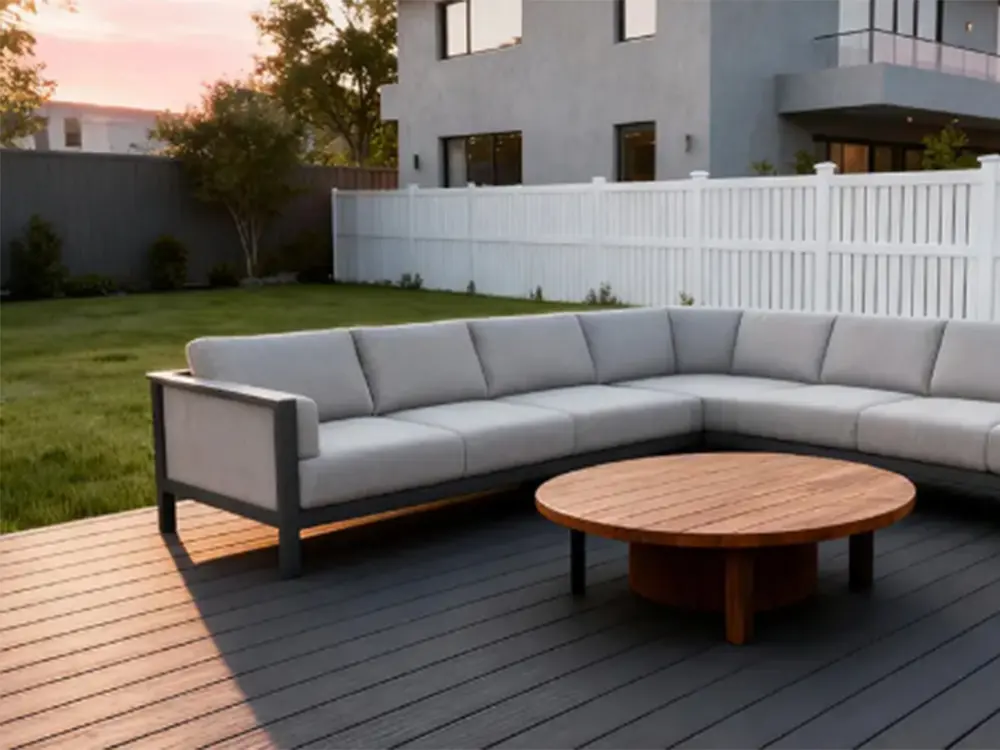
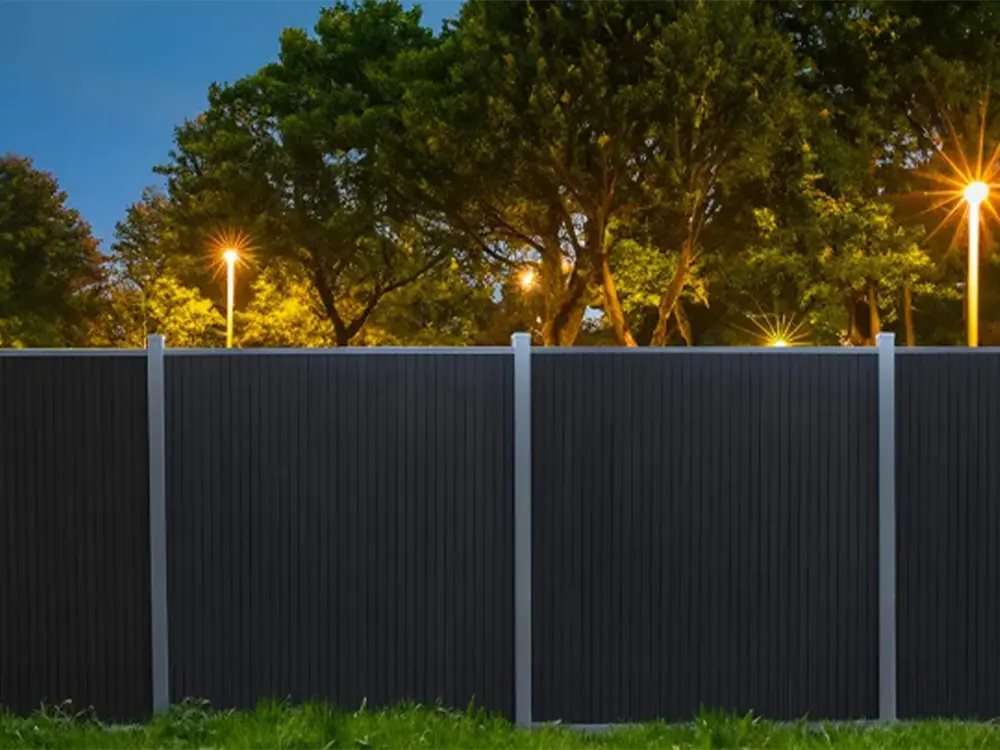
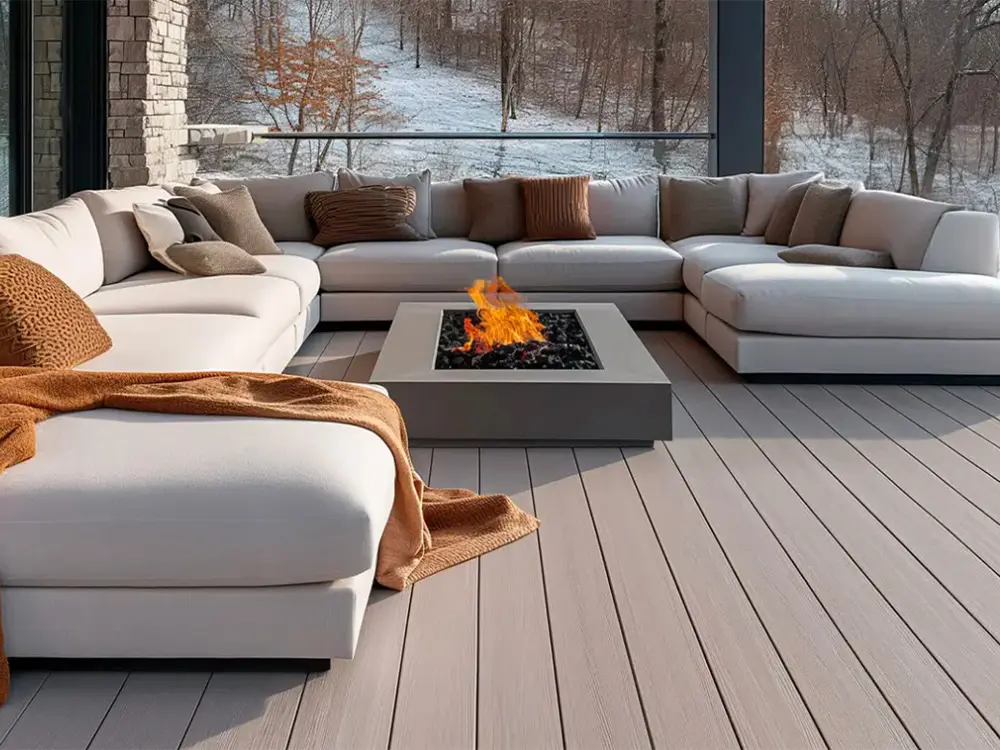
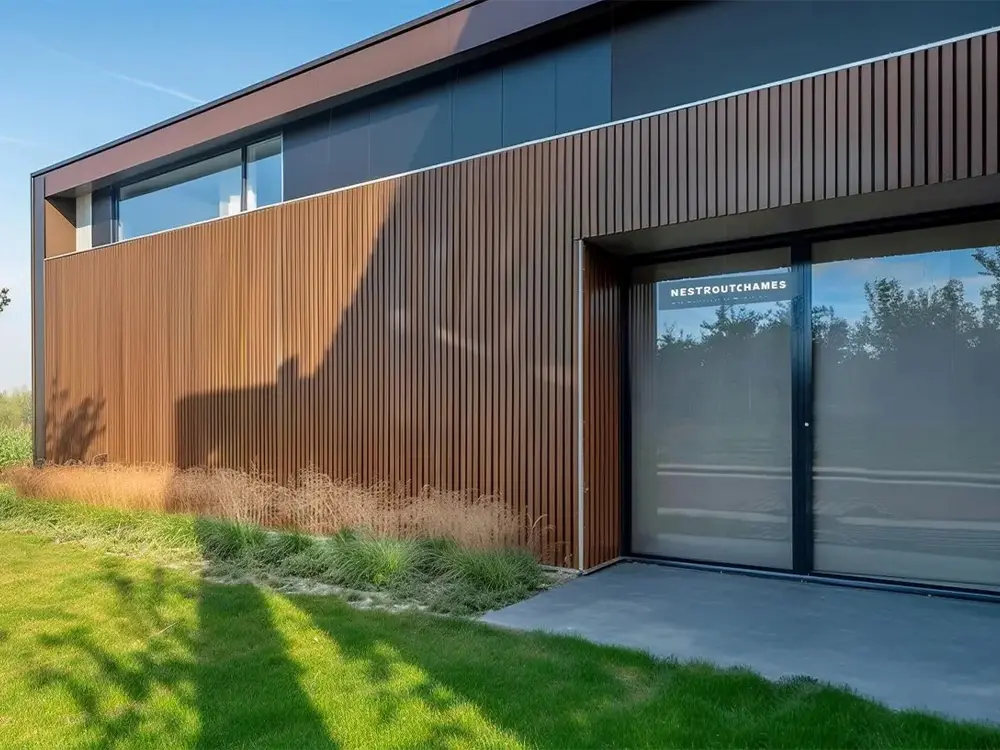
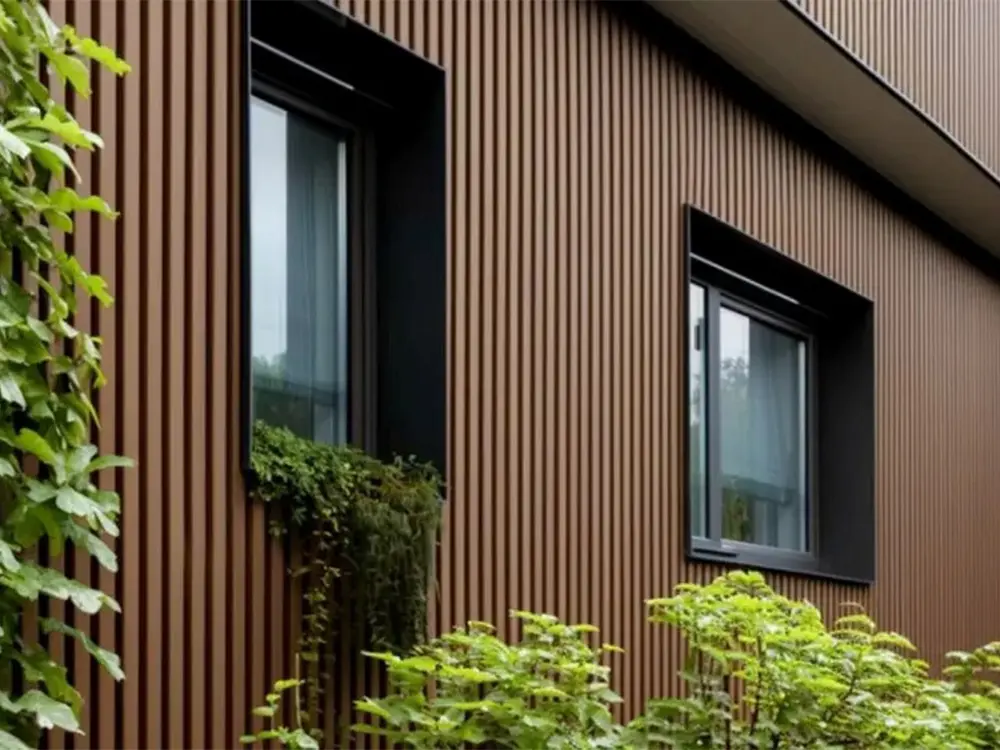
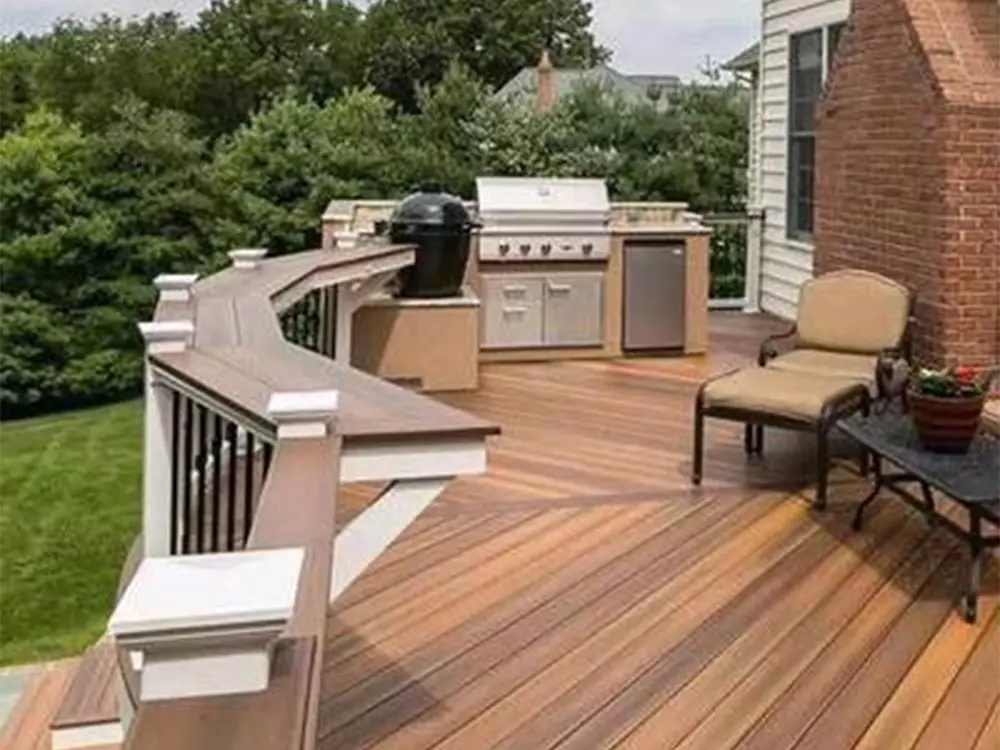
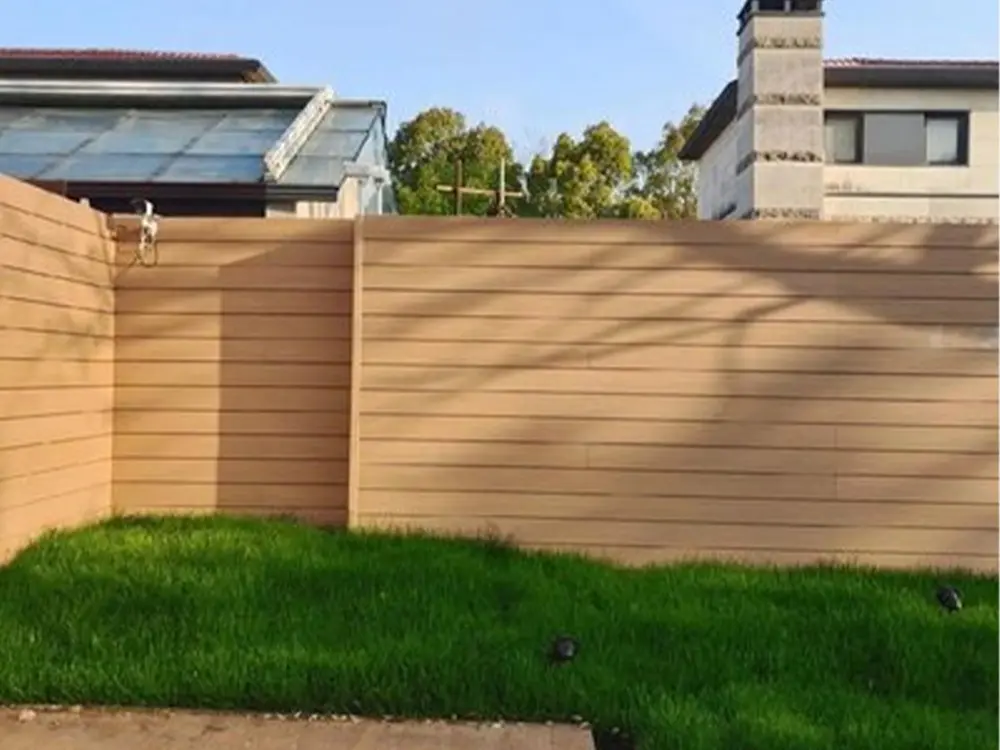
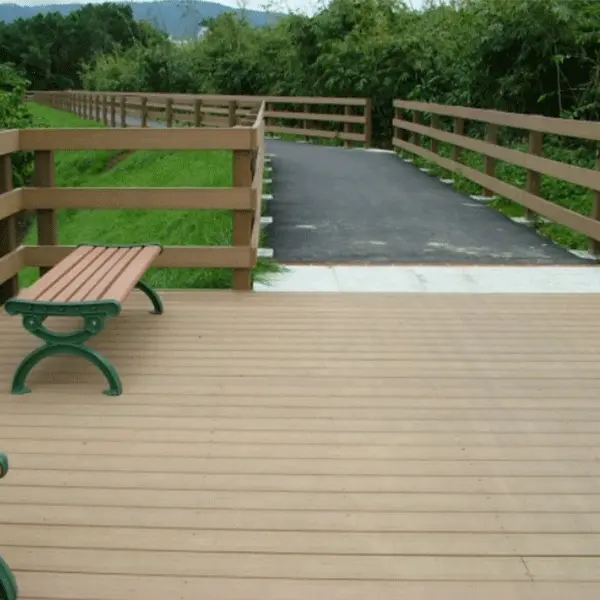
Wood–plastic composites (WPCs) are widely used in customized indoor and outdoor furniture, interior decoration projects, and building applications such as doors, windows, and baseboards. This is mainly due to the following properties and characteristics of WPC materials:
(1) Excellent machinability.
The primary components of wood–plastic composites are plastics and wood fibers, giving the material outstanding workability. Standard woodworking tools can be used for sawing, nailing, and planing. In particular, WPCs have a much stronger nail-holding capability than ordinary wood.
(2) Superior mechanical properties.
The elastic modulus of WPCs lies between that of wood and plastic. Moreover, due to the mixing effect and the catalytic action of additives, their compressive, flexural, and bending strengths exceed those of typical wood and are comparable to high-quality hardwoods.
(3) Moisture resistance, corrosion resistance, and aging resistance.
Since plastics are the primary raw material, WPCs inherit many of the advantageous characteristics of plastics. In furniture, décor, and construction applications, they demonstrate excellent resistance to long-term sunlight exposure, water, humidity, acidic and alkaline corrosion, and aging. They also avoid problems associated with natural wood, such as bacterial or fungal growth and insect infestation.
1. Polyvinyl Chloride (PVC) Wood–Plastic Composites
PVC wood–plastic composites possess excellent electrical insulation and chemical resistance. With the addition of wood fibers—which are porous and contain micro-capillary channels—PVC WPCs also exhibit good water absorption.
The mechanical strength of PVC WPCs is related to the type of wood fiber used: the stronger the raw wood fiber, the better the mechanical performance of the composite. In addition, PVC WPCs offer good tensile strength, compressive strength, and mechanical wear resistance.
The incorporation of plasticizers can improve the low-temperature brittleness and processing performance of PVC WPCs, thereby enhancing their usability in outdoor environments under low temperatures.
2. Polystyrene (PS) Wood–Plastic Composites
PS wood–plastic composites have excellent thermal insulation, high-temperature resistance, resistance to optical aging, and electrical insulation properties. PS WPCs can be produced using recycled PS materials and leftover wood-processing residues.
Like other WPCs, PS WPCs also exhibit water absorption, and the degree of absorption depends on the texture of the wood fiber. WPCs made from herbaceous plant fibers absorb water more effectively than those made from woody plant fibers.
Different molding processes used for PS WPCs can change the density of the material, thereby affecting its fire resistance and thermal insulation properties.
3. Polypropylene (PP) Wood–Plastic Composites
PP wood–plastic composites offer wear resistance, heat resistance, electrical insulation, and chemical corrosion resistance. Among their major advantages, wear resistance and flame retardancy are the most notable.
When ricinoleic acid-grafted polyhydroxystearic acid (RA-g-PHS) is used as a modifier, PP WPCs achieve maximum thermal stability. When aluminum hypophosphite (AP) is added as a modifier, PP WPCs achieve maximum flame retardancy.
Using cavity-transfer dynamic foaming technology and adding high-density polyethylene (HDPE) can significantly improve the impact strength and wear resistance of PP WPCs.
Radiation modification of PP WPCs with ionization techniques can enhance their impact resistance as well as their flexural strength and resistance to bending failure.
4. Polyethylene (PE) Wood–Plastic Composites
PE wood–plastic composites exhibit good processability, mechanical properties, and chemical stability, maintaining stable performance under UV exposure and high-temperature outdoor environments.
Pretreating the wood fibers with sodium hydroxide (NaOH) can improve the tensile strength, impact strength, and water absorption of PE WPCs.
Modifying PE WPCs with nano calcium carbonate (NPCC) enhances thermal stability and reduces high-temperature deformation.
Most PE WPCs are produced using recycled PE materials and wood flour, effectively utilizing wood-processing waste and discarded PE, thus reducing environmental pressure.
5. Acrylonitrile–Butadiene–Styrene (ABS) Wood–Plastic Composites
ABS wood–plastic composites combine the properties of all three components, offering chemical resistance, heat resistance, high elasticity, toughness, excellent processability, and electrical insulation. They are widely used in high-end furniture and outdoor furniture.
Among ABS WPCs, those made with hard pine fibers and maleic acid as a catalyst exhibit the best interfacial compatibility and the most superior mechanical performance.
(4) Customizable functional properties.
By selecting different plastics, additives, or manufacturing methods, the density of WPCs can be adjusted, and special functional properties can be incorporated, such as flame retardancy and anti-static performance.
(5) Wide availability of raw materials and low cost.
WPCs make effective use of waste wood resources, helping reduce forest consumption while also mitigating “white pollution” caused by discarded plastics.