




What is Wood-Plastic Composite? Pros and Cons Explained
The global construction and landscaping industries are undergoing a massive shift toward sustainable, high-performance building materials. At the forefront of this evolution is Wood-Plastic Composite (WPC). Whether you are an architect designing a commercial plaza, a contractor managing large-scale residential builds, or a procurement manager analyzing supply chain efficiencies, understanding the true value of WPC is critical.
This comprehensive guide breaks down exactly what Wood-Plastic is, evaluates its honest advantages and disadvantages, and explains why sourcing Wood-Plastic wholesale could be your most profitable strategic decision this year.
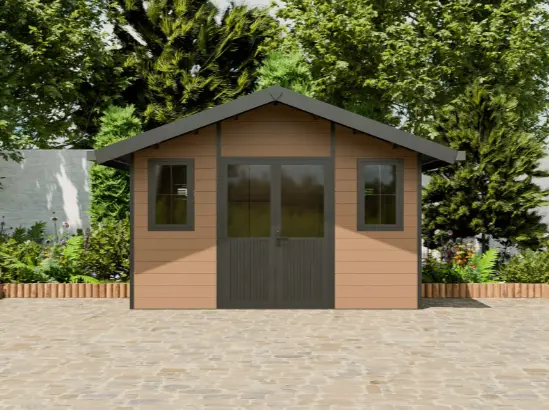
What Exactly is Wood-Plastic Composite (WPC)?
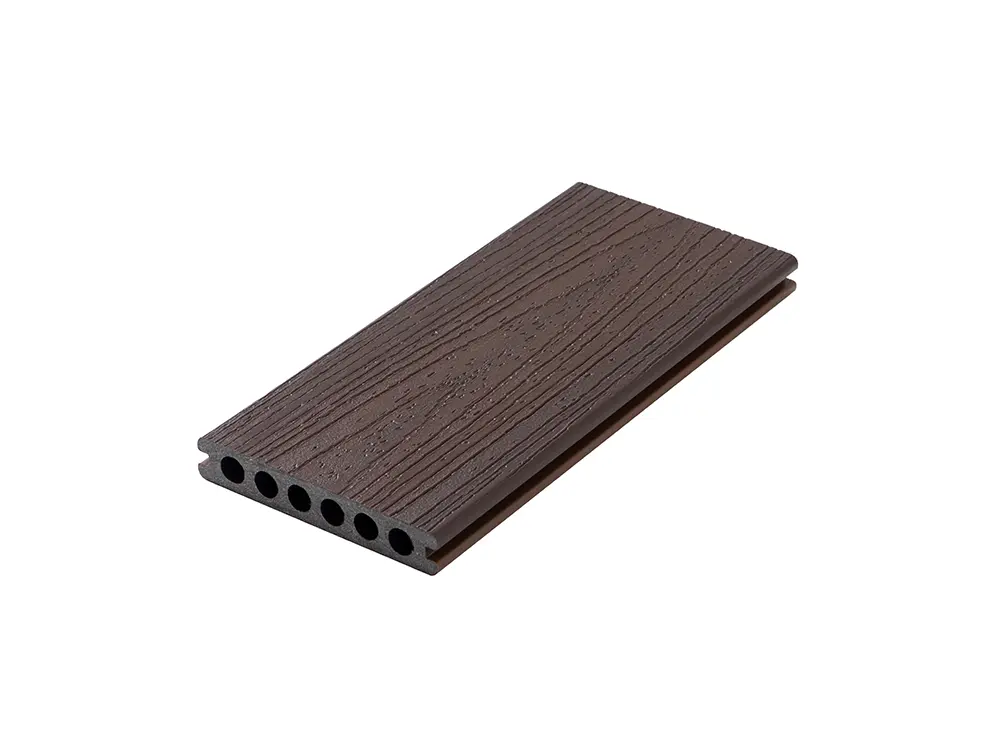
Wood-Plastic Composite (WPC) is a highly durable, hybrid material created by combining natural wood fibers with thermoplastics and specialized binding agents. Through a highly controlled heating and extrusion process, these elements are fused together to form a solid, uniform material that mimics the aesthetic of natural timber while possessing the resilience of high-density plastic.
To understand its performance, it helps to look at its typical composition:
-
Wood Fibers/Flour (50% - 60%): Sourced from reclaimed timber, sawdust, or agricultural residues. This provides the natural rigidity, texture, and look of traditional wood.
-
Thermoplastics (30% - 40%): Primarily high-density polyethylene (HDPE), polyvinyl chloride (PVC), or polypropylene (PP). Often sourced from recycled consumer plastics, these polymers provide absolute resistance to moisture and decay.
-
Chemical Additives (5% - 10%): A crucial blend of UV stabilizers, color pigments, anti-oxidants, and coupling agents. These protect the material from sun fading, fungal growth, and structural degradation over decades of use.
By understanding this composition, buyers can easily see why WPC has become the premier alternative to traditional timber in outdoor applications.
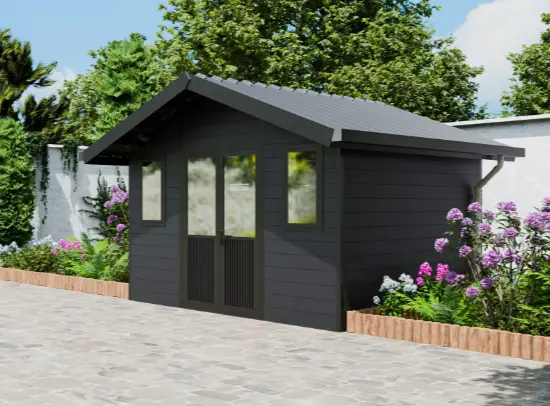
The Pros of Wood-Plastic: Why Buyers Are Making the Switch
For procurement teams and end-users, the benefits of WPC translate directly into long-term savings, reduced liability, and elevated project aesthetics.
1. Unmatched Durability and Weather Resistance
Unlike natural wood, Wood-Plastic does not absorb moisture in the same way. It is highly resistant to rot, warping, splintering, and cracking. Furthermore, WPC is entirely impervious to termites and other wood-boring insects. This makes it a structurally sound choice for humid climates, coastal regions, and areas with extreme weather fluctuations.
2. Ultra-Low Maintenance (High Long-Term ROI)
The most significant pain point of traditional wood is the relentless upkeep. Wood requires sanding, sealing, staining, and painting every 1-3 years to maintain its integrity. WPC requires virtually zero maintenance—a simple semi-annual wash with mild soap and water is enough.
Real Market Insight: Based on recent commercial contractor feedback, properties utilizing WPC decking or cladding reduce their exterior maintenance budgets by up to 85% over a 10-year period, dramatically improving the Total Cost of Ownership (TCO).
3. Eco-Friendly and Sustainable
As environmental regulations tighten, sustainable sourcing is no longer optional. WPC is a champion of the circular economy. Because it is manufactured using up to 95% recycled plastics and reclaimed wood fibers, it prevents thousands of tons of waste from entering landfills annually. It is an excellent material for projects aiming for green building certifications, such as LEED.
4. Advanced Aesthetic Versatility
Modern co-extrusion technology (capped WPC) encases the composite core in a protective polymer shell. This allows manufacturers to print deep-embossed, highly realistic 3D wood grain textures and multi-chromatic colors. You get the luxurious warmth of exotic hardwoods without contributing to global deforestation.
The Cons of Wood-Plastic Composite: What to Consider
A professional procurement strategy requires looking at the complete picture. While WPC is superior in many ways, it does have a few limitations that project managers must plan for.
1. Higher Initial Upfront Cost
When comparing initial invoice prices, WPC is generally more expensive per square foot than basic pressure-treated pine. However, experienced buyers know to look at the lifecycle cost. The break-even point between traditional wood and WPC usually occurs within the first 3 to 5 years, as the maintenance costs of real wood quickly surpass the initial premium paid for Wood-Plastic.
2. Thermal Expansion and Heat Retention
Because WPC contains plastic polymers, it will retain heat when exposed to direct, intense summer sunlight, making it warmer to the touch than light-colored natural wood. Additionally, WPC naturally expands and contracts with temperature changes. Installers must strictly follow manufacturer guidelines for gapping to allow for this thermal movement, or risk structural buckling.
3. Weight and Structural Support
Wood-Plastic is notably denser and heavier than traditional timber. While this contributes to its solid feel and durability, it also means that the underlying substructure (joists and beams) must be robust enough to support the added weight. It is not generally used as a structural, load-bearing material itself, but rather as a surface layer.
Quick Comparison: WPC vs. Traditional Wood
To help you make an informed sourcing decision, here is a quick-reference breakdown of how Wood-Plastic compares to conventional timber:
| Feature | Wood-Plastic Composite (WPC) | Traditional Wood |
| Maintenance Need | Very Low (Soap & water cleaning) | High (Regular sanding, sealing, staining) |
| Expected Lifespan | 25 - 30+ Years | 10 - 15 Years (Highly variable) |
| Rot & Insect Resistance | Exceptional | Low to Moderate (Requires chemical treatments) |
| Splintering & Warping | None | High probability over time |
| Initial Cost | Moderate to High | Low to Moderate |
| Long-Term Cost (TCO) | Low | High |
Strategic Advantages of Sourcing Wood-Plastic Wholesale
If your business involves distributing building materials, managing large construction projects, or installing outdoor living spaces, buying Wood-Plastic wholesale is the most effective way to scale your operations and protect your profit margins.
Maximizing Profit Margins
Purchasing wholesale allows you to bypass the hefty markups of regional retail distributors. For commercial projects requiring thousands of square feet of decking or cladding, these volume discounts directly increase your bottom line, allowing you to submit more competitive bids without sacrificing your own profitability.
Assured Batch Consistency
One of the biggest risks in large-scale architectural projects is slight color variations between different batches of material. By partnering directly with a manufacturer for a wholesale order, you guarantee that all your WPC materials are extruded from the same production run, ensuring absolute uniform color matching and dimensional stability across the entire job site.
Supply Chain Reliability
In the post-2020 construction landscape, material shortages can paralyze a project. Establishing a direct relationship for Wood-Plastic wholesale gives you priority access to inventory, transparent lead times, and customized shipping solutions.
Primary Applications for WPC
Due to its versatility, WPC is rapidly replacing traditional materials in several key sectors:
-
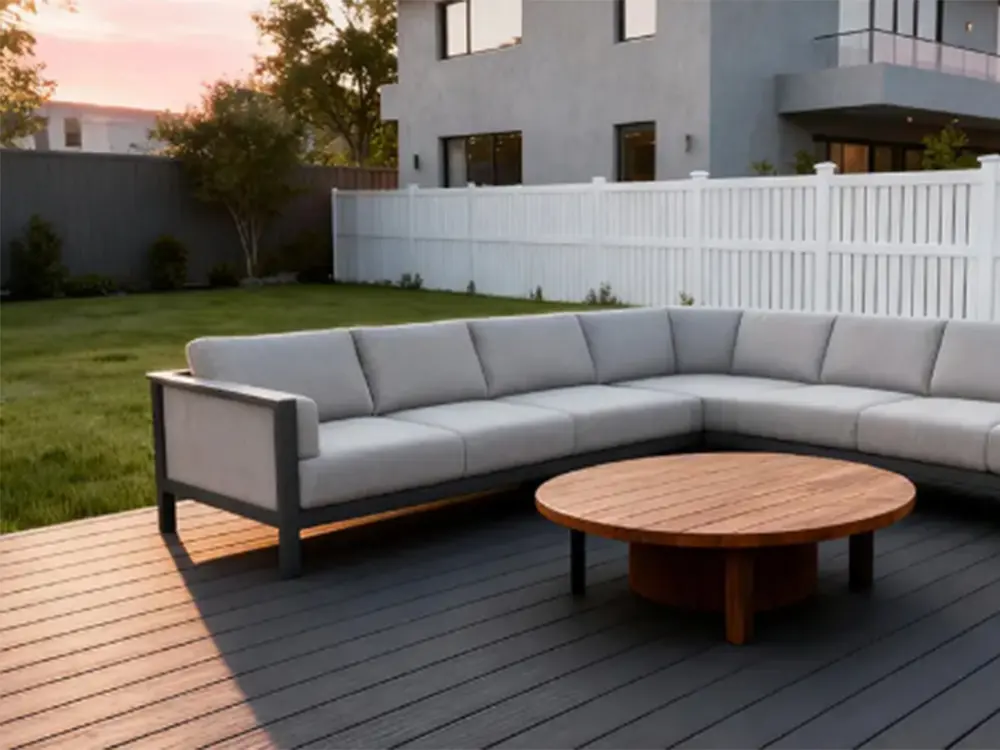
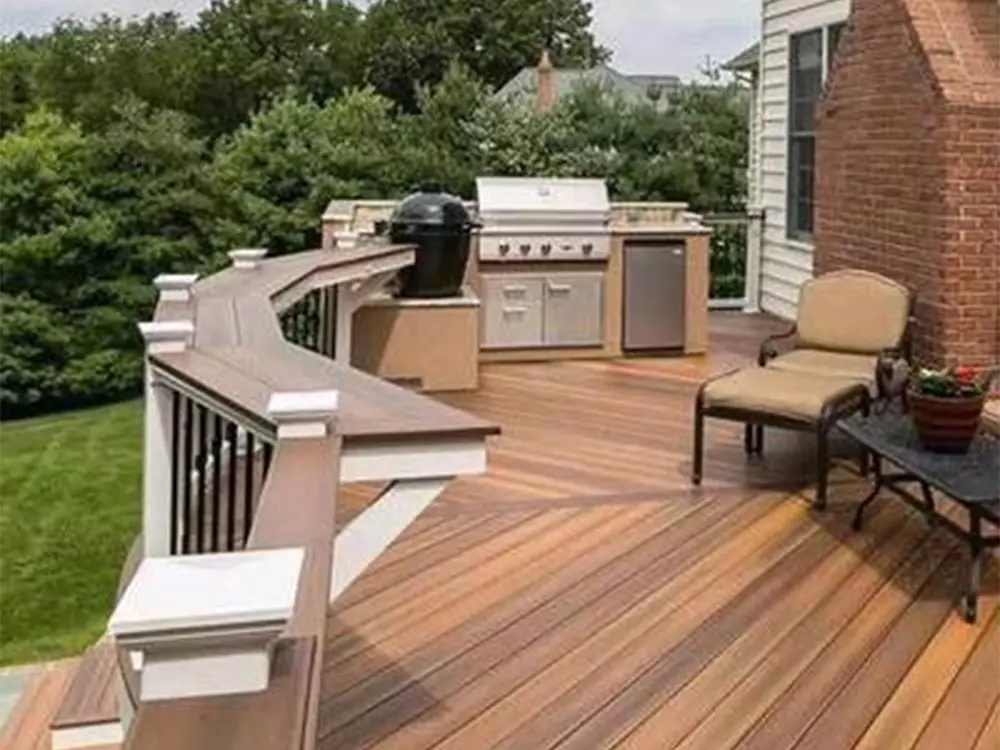
Outdoor Decking: The most popular application, perfect for residential patios, commercial boardwalks, and pool surrounds.
-
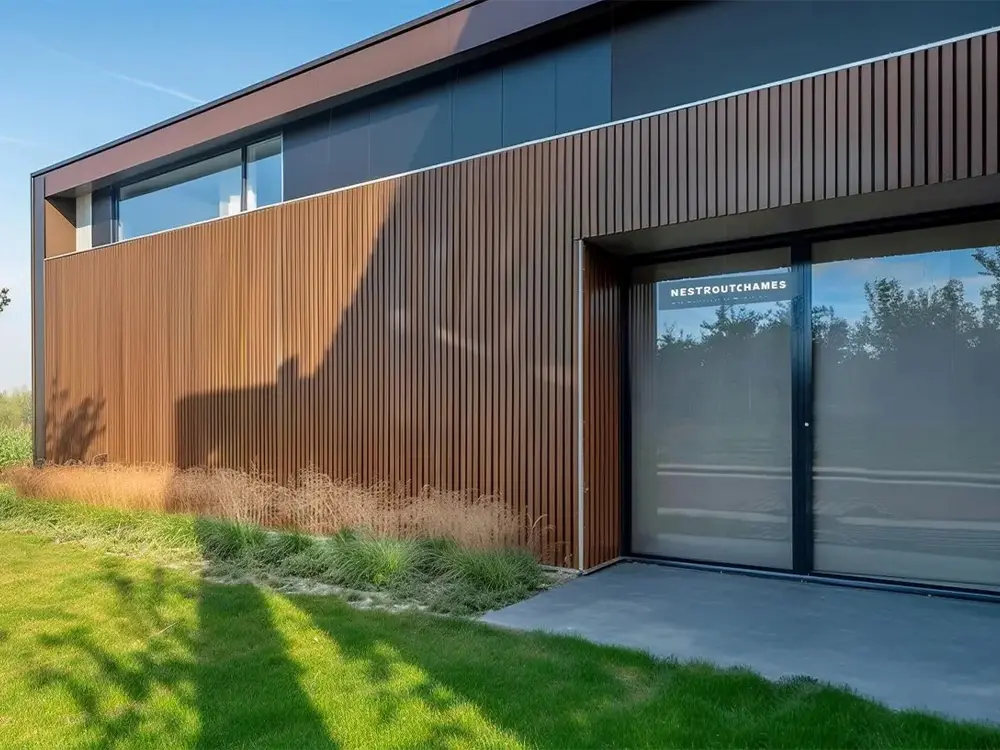
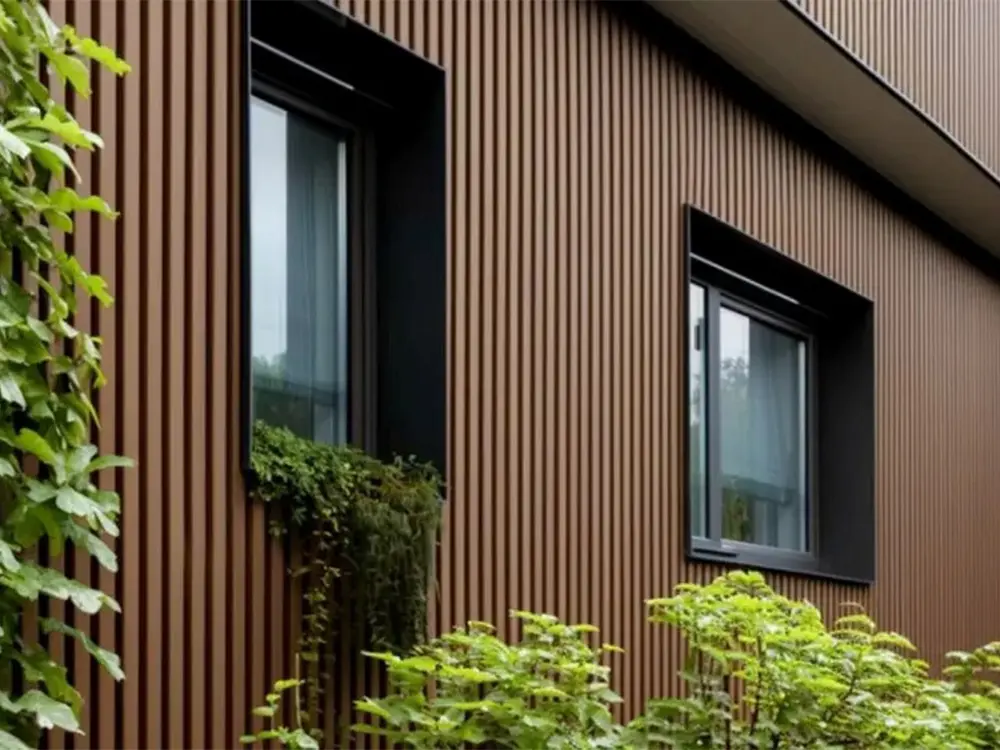
Exterior Wall Cladding: Provides buildings with a modern, architectural wood facade that withstands severe weather.
-
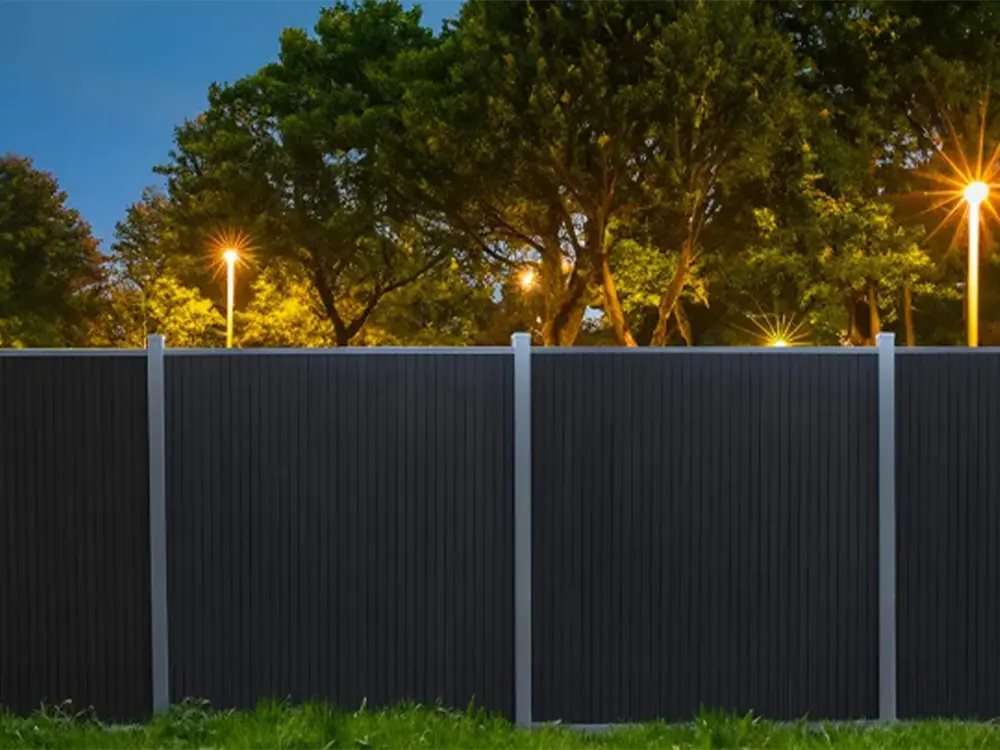
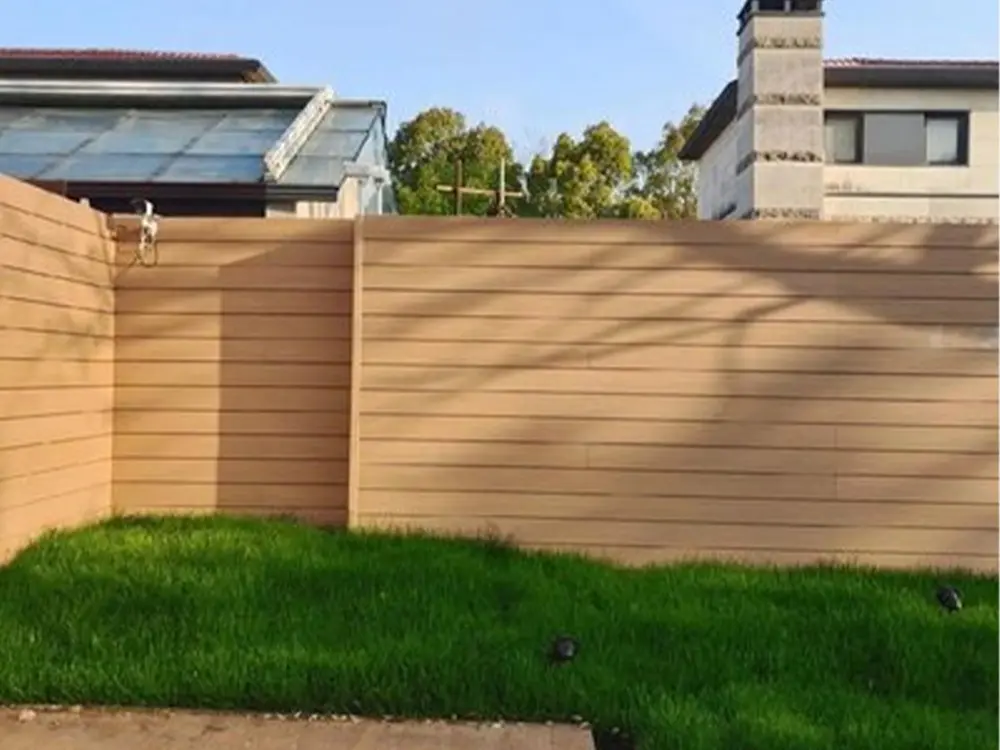
Fencing and Railing: Offers total privacy and security without the risk of rotting posts or splintering rails.
-
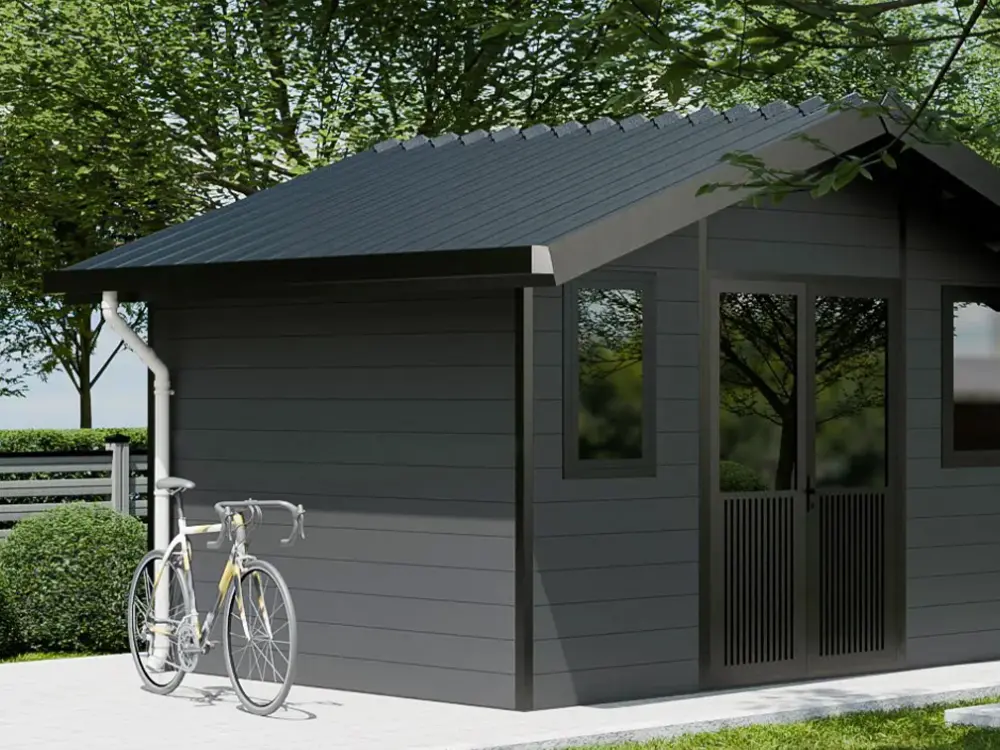
Pergolas and Garden Architecture: Ideal for structural aesthetics that require zero upkeep.
Elevate Your Next Project Today
The transition from traditional timber to Wood-Plastic Composite is not just a passing trend; it is the new standard for durable, sustainable, and cost-effective construction. By understanding the material properties and planning for the long-term ROI, you can deliver superior results to your clients while optimizing your project budgets.
Are you ready to secure the best materials for your upcoming projects?
Explore our comprehensive range of high-performance WPC solutions. [Click here to view our WPC Decking and Cladding Products] and contact our dedicated B2B team today to discuss exclusive Wood-Plastic wholesale pricing, request free material samples, and find the perfect sustainable solution tailored to your business needs.