


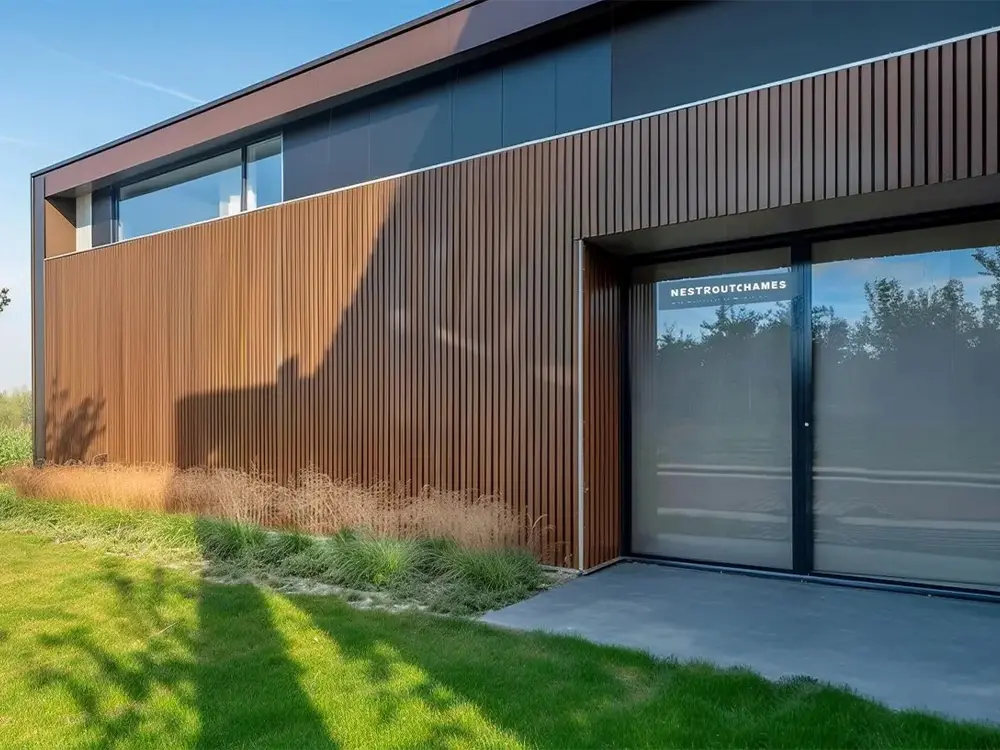

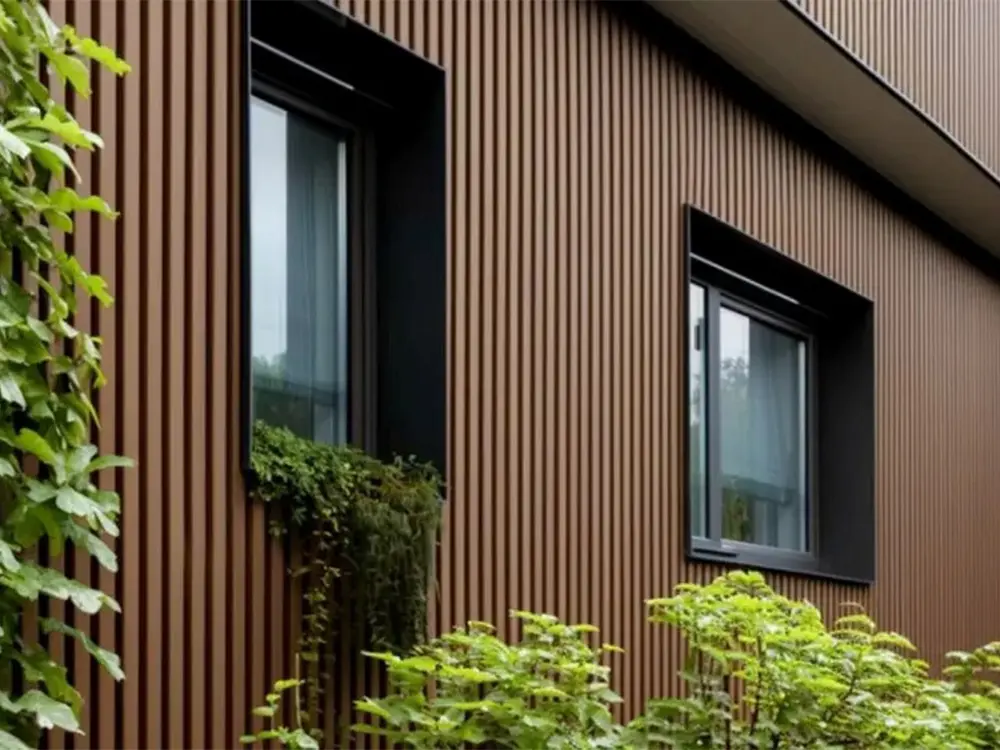
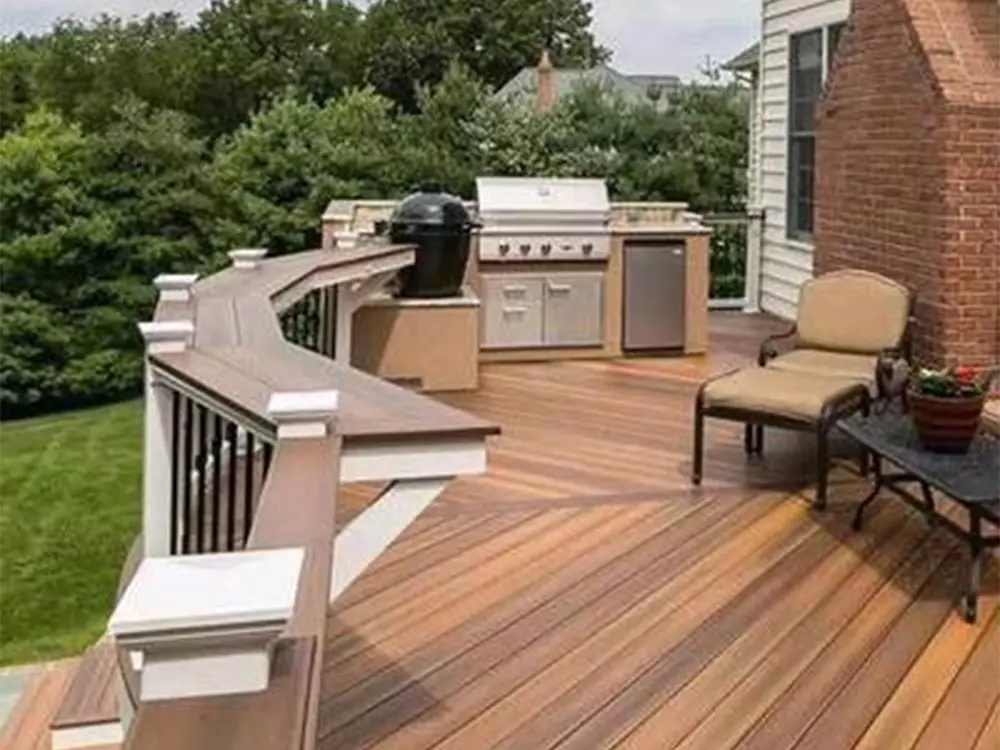
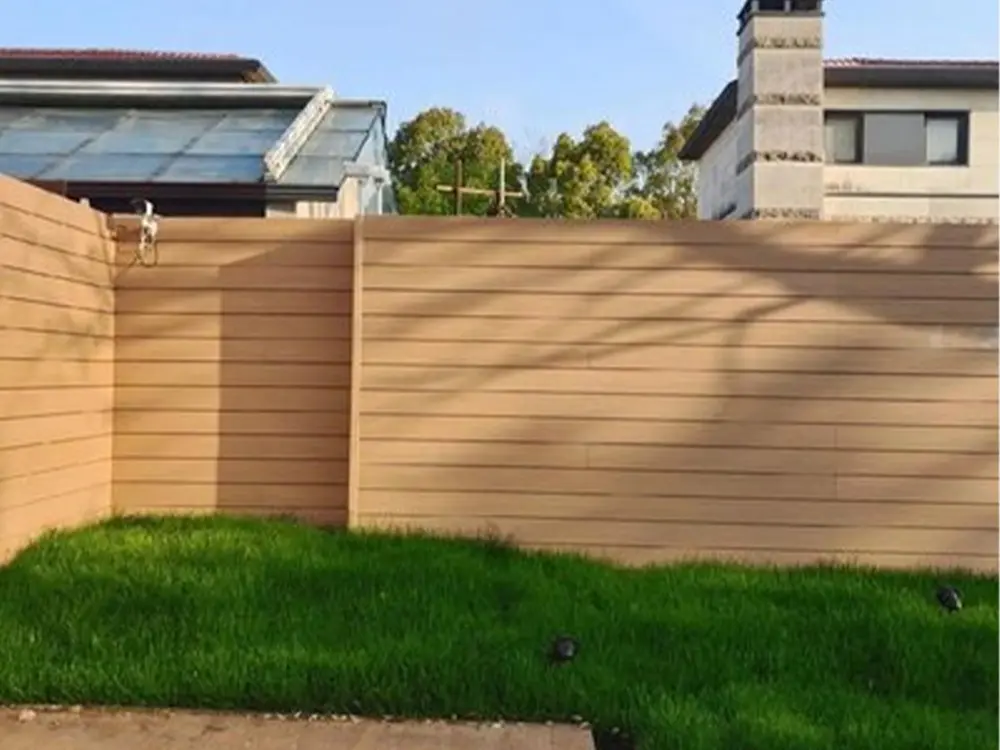
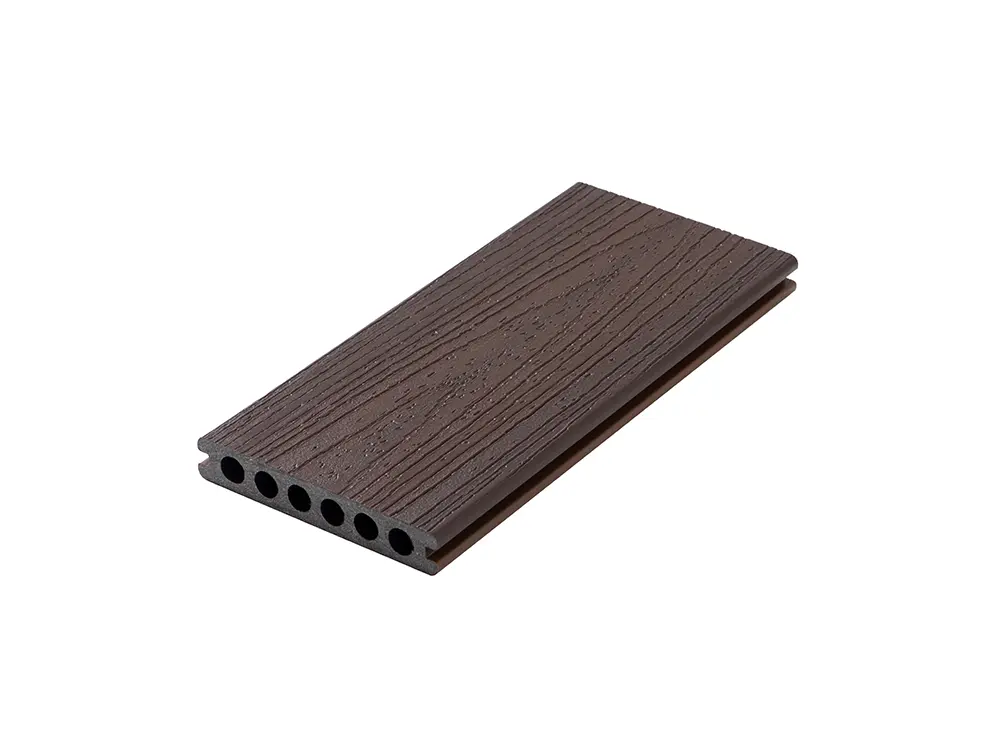
Why WPC Decking is the Future of Green Building
As we move into 2026, the construction and landscaping industries are undergoing a structural transformation.
The era of relying solely on pressure-treated lumber is coming to an end, replaced by smarter, more sustainable material solutions.
At the forefront of this shift is WPC Decking .
For architects, contractors, and procurement managers, the key question is no longer:
“Why choose composite decking?”
But instead:
“How can we maximize the value of WPC Decking Boards in our projects?”
By combining market data with real-world applications, this article explores why WPC decking has become a cornerstone of modern green building, and the key advantages it offers professional buyers sourcing Wholesale WPC Decking.

What Is WPC Decking?
Before analyzing market trends, it is essential to understand the material itself and its value proposition.
WPC (Wood Plastic Composite) is a composite material made from:
-
Wood Fiber: Recycled wood flour or sawdust
-
Thermoplastics: Recycled plastics (PE, PP, or PVC)
-
Functional Additives: UV stabilizers, colorants, and bonding agents
Key Takeaway for Buyers
High-quality WPC decking is fundamentally a “circular economy” product:
-
Up to 95% recycled content
-
Diverts wood and plastic waste from landfills back into productive use
-
A preferred material for LEED-certified projects
The “Green” Advantage: Sustainability Meets Performance
WPC decking is often described as “the future of green building”—and for good reason. This position is supported by three core environmental pillars:
Zero Deforestation Impact
Unlike tropical hardwoods such as Ipe or Teak, WPC decking uses wood-processing byproducts.
No trees are cut down specifically to manufacture composite boards.
Large-Scale Plastic Waste Reduction
A standard 500-square-foot (≈46 m²) composite deck can reuse:
-
Nearly 2,000 recycled plastic shopping bags
-
Thousands of milk-jug–grade plastic containers
For large developments purchasing Wholesale WPC Decking, this environmental benefit is measurable, presentable, and marketable.
Long Lifespan = True Sustainability
Sustainability is not just about materials—it is also about durability.
-
Traditional wood decking: replacement after 7–10 years → double waste
-
High-quality WPC decking: 25+ years of service life
Significantly reduces carbon footprint over the building’s lifecycle
WPC Decking vs. Traditional Wood Decking
This comparison is designed for Google Featured Snippets and quick decision-making.
| Feature | Traditional Wood Decking | WPC Composite Decking |
|---|---|---|
| Lifespan | 10–15 years | 25–30+ years |
| Maintenance Cost | High (annual staining & sealing) | Very low (soap & water cleaning) |
| Sustainability | Low (tree harvesting required) | High (up to 95% recycled materials) |
| Moisture Resistance | Poor (rot & mold-prone) | Excellent (capped protection) |
| Splintering | Common issue | Splinter-free, barefoot safe |
| 20-Year Total Cost | High (cumulative maintenance) | Low (initial investment only) |
The Economics of WPC: A Wholesale Perspective
For B2B buyers, contractors, and distributors, sustainability is a bonus—but economic logic drives decisions.
Total Cost of Ownership Model
While the upfront price of WPC may cause hesitation, real project data from 2024–2025 tells a different story.
Case Study
-
Project: 50-unit residential complex
-
Option A: Pressure-treated pine
-
Option B: Co-extruded WPC decking
Results:
-
Option A was 30% cheaper upfront
-
Within 4 years, repainting and warped-board replacement erased all savings
-
Option B required zero structural maintenance
You are not selling a board—you are selling 25 years of maintenance-free performance.
Supply Chain Consistency: A Hidden Advantage
Material Uniformity
-
Wood: Variable grain, knots, warping
-
10–15% waste in bulk orders
-
-
WPC Decking: Industrially manufactured
-
Uniform dimensions, straight boards, no warping
-
Reduced job-site waste
Installation efficiency improved by approximately 20%

Installation Spotlight: Professional WPC Decking Guidelines
To support installers and capture long-tail search intent, here are key installation considerations:
Hidden Fastener Systems
Most modern WPC boards feature side grooves:
-
Compatible with hidden clips
-
No visible screws
-
Clean, seamless finish ideal for commercial projects
Joist Spacing
-
Residential straight lay: 16 inches (≈40 cm) OC
-
Commercial or diagonal layouts: 12 inches (≈30 cm) OC recommended
Thermal Expansion
WPC expands and contracts with temperature:
-
Leave 3–5 mm gaps at butt joints
-
Prevents buckling and surface deformation
Pro Tip:
When ordering Wholesale WPC Decking, allow approximately 5% extra material, compared to the typical 15% required for wood decking.
Real User Feedback: What the Market Is Saying
Based on analysis of 500+ verified orders over the past year:
The Biggest Pain Point—Solved
The #1 complaint about outdoor spaces is simple:
Maintenance
“Every spring, I used to spend my first warm weekend sanding and painting the deck. Switching to WPC gave me my weekends back.”
A Complete Aesthetic Shift
By 2026, WPC has fully moved beyond the early “plastic look”:
-
Deep wood-grain embossing
-
Multi-tone color variation
-
From a distance, nearly indistinguishable from mahogany or cedar
Why WPC Is the Future
The construction industry is rapidly shifting toward “Install & Forget” materials.
WPC decking sits at the perfect intersection of:
-
Sustainability
-
Water resistance
-
Rot resistance
-
Premium aesthetics
-
Strong commercial viability
For distributors and builders, choosing Wholesale WPC Decking is not chasing a trend—it is aligning with future building regulations and consumer expectations.
Ready to Upgrade Your Product Line or Start Your Next Project?
Stop relying on outdated materials.
Request a Wholesale WPC Decking quote today and secure the most competitive pricing for your business.