2026 Best WPC Cladding Options for Global Buyers?
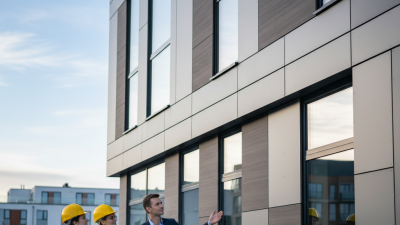
As the demand for sustainable building materials grows, WPC cladding has emerged as a popular choice among global buyers. John Evans, a renowned expert in the field, once stated, “WPC cladding beautifully combines durability and aesthetics.” This dual advantage has made it a top contender for modern construction projects.
WPC, or wood-plastic composite, cladding offers an innovative solution for both residential and commercial properties. With its resistance to moisture and pests, it reduces maintenance needs significantly. Buyers often find themselves drawn to its versatility in design as well. However, not all WPC cladding options are created equal. It’s crucial to assess various products and their longevity.
While the choices today are expansive, some options may not meet expectations in the long term. Environmental concerns also linger around specific manufacturing processes. Each buyer should reflect on their specific needs and the ecological impact of their choices. Careful consideration of these factors will ensure a satisfying investment in WPC cladding.
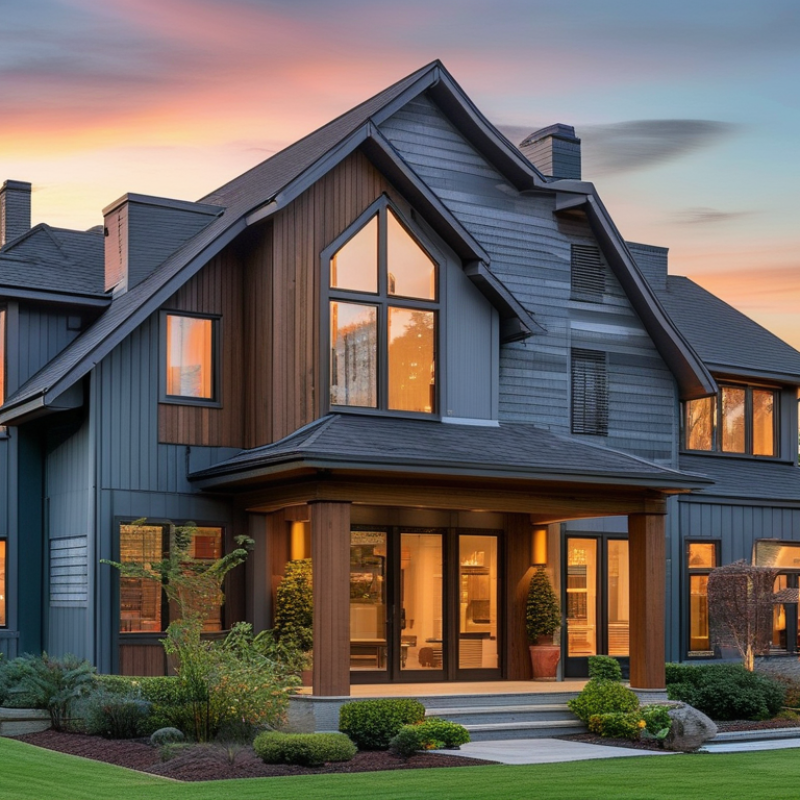
Overview of WPC Cladding and its Benefits for Global Buyers
WPC cladding, or wood-plastic composite cladding, has become a popular choice among global buyers. This material combines the durability of plastic with the aesthetics of wood. According to industry reports, the global WPC market is projected to grow at a CAGR of over 10% from 2021 to 2026. This growth indicates its increasing acceptance in construction and architectural designs.
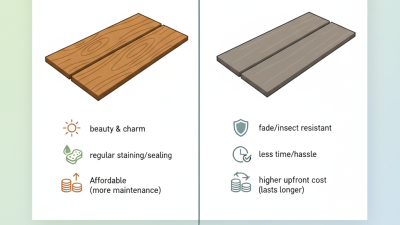
One major advantage of WPC cladding is its resistance to rot and insects. Unlike traditional wood, it does not warp or fade easily. A recent study showed that WPC cladding can last up to 25 years with minimal maintenance. This longevity appeals to buyers looking for cost-effective solutions. However, some buyers express concerns over the initial cost, as it can be higher than traditional materials.
In terms of aesthetics, WPC offers a variety of colors and finishes. This allows for greater design flexibility. However, some users note that without proper installation or maintenance, color fading can occur. Overall, WPC cladding presents a sustainable option that aligns with eco-friendly building practices, making it an attractive choice for many.
Top 2026 Trends in WPC Cladding Materials and Designs
In 2026, WPC (Wood Plastic Composite) cladding is set to witness remarkable trends. Buyers are focused on sustainability and aesthetics. Eco-friendly materials are in high demand. This shift shows a collective effort towards environmental conservation. People want practical solutions for their homes that also look appealing.
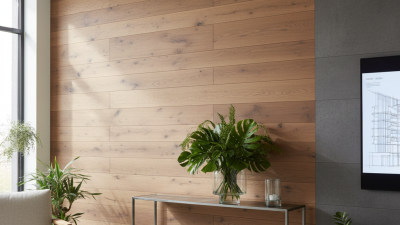
Innovative designs are leading the way. Textures and colors are more varied than ever before. Natural wood-like finishes are popular, providing warmth. However, not all WPC products offer the same quality. Each has its strengths and weaknesses. Some may fade over time or warp under extreme conditions.
Customization is increasingly desired. Homeowners want their cladding to reflect personal style. There is a growing need for versatile installation options. Yet, many buyers remain uncertain. It's crucial to understand the product specifications and potential maintenance issues. Before making a decision, thorough research is essential. Being informed leads to better choices in this evolving market.
Comparative Analysis: Popular WPC Cladding Brands in the Market
WPC, or wood-plastic composite, cladding has gained popularity for its durability and aesthetics. Many buyers are considering various options, seeking the best balance of quality and price. A comparative analysis of popular brands reveals significant variances in materials and designs. Some brands focus more on cost-effectiveness, while others emphasize premium finishes.
Material composition plays a crucial role. Most WPC claddings combine wood fibers and plastic, enhancing resistance to moisture and pests. However, the ratio between these components can vary. Higher wood content often results in a more natural appearance. Yet, it may compromise durability over time. Consider evaluating not just the initial cost but also the longevity and maintenance requirements of each option.
Design features can also differ. Some brands offer a wide range of colors and textures, allowing for customization. Meanwhile, others stick to traditional designs. While a broader selection may attract more buyers, it can complicate decision-making. Reflecting on the balance between aesthetic appeal and functional performance might be essential for a satisfactory choice. Consider the local climate and potential environmental impact when making a decision.
Sustainability and Environmental Impact of WPC Cladding Options
WPC, or wood-plastic composite, is gaining traction in construction. Its sustainability is a major draw for buyers globally. By combining recycled wood fibers and plastic, WPC reduces waste. It often requires less energy to produce than pure wood or plastic products. This enhances its appeal for eco-conscious consumers.
However, WPC is not without its challenges. While it offers durability, its lifespan is affected by environmental factors. Exposure to UV light can lead to fading and degradation over time. Buyers must consider the long-term implications of their choices. Also, the recycling of WPC after its life cycle is not always straightforward.
Despite these concerns, WPC remains a promising choice for sustainable building. The market for eco-friendly materials is growing. Producers are investing in better formulations and manufacturing processes. This shows a commitment to improving product efficiency and recyclability. As awareness of environmental issues rises, WPC’s role in sustainable construction will likely expand.
Guidelines for Selecting the Right WPC Cladding for Your Project
When selecting the right WPC cladding for your project, consider multiple factors. A keen eye for detail can make all the difference. Look closely at durability and maintenance needs. Some products resist weather well, while others may require frequent upkeep. Assess the climate of your installation site. High humidity can lead to faster degradation in subpar materials.
Think about aesthetics too. Different textures and colors can drastically change a space. Choose a cladding that complements your project's design. Test samples in natural light to see how they perform. Not every option will match your vision or practicality. Sometimes, a style may look appealing initially but prove challenging to maintain or install.
Lastly, weigh the environmental impact. Many WPC materials blend wood fibers and recycled plastics. Not all processes are eco-friendly. Seek options from reputable manufacturers who prioritize sustainability. Their efforts add value to your project. Making an informed choice will lead to satisfaction in the long run. You’re not just selecting a material; you’re crafting an environment.
2026 Best WPC Cladding Options for Global Buyers
| Option |
Material Composition |
Durability (Years) |
Water Resistance |
Cost per Square Meter |
Color Options |
| Classic WPC |
Wood Fiber + PVC |
15-20 |
High |
$30 |
Natural Wood, Grey, Black |
| Eco-Friendly WPC |
Recycled Wood + HDPE |
20-25 |
Very High |
$35 |
Brown, Beige, Green |
| Luxury WPC |
Bamboo Fiber + PVC |
25-30 |
High |
$50 |
Dark Brown, Charcoal, Teak |
| Standard WPC |
Wood Fiber + PP |
10-15 |
Moderate |
$25 |
Red, Yellow, Blue |
| Premium WPC |
Recycled Material + Vinyl |
30+ |
Extreme |
$60 |
Custom Colors |