10 Best Outside Deck Ideas for Your Outdoor Living Space?
Creating an inviting outdoor living space often starts with an exceptional Outside Deck. Renowned designer Sarah Thompson emphasizes, “A well-crafted deck transforms the ordinary into the extraordinary.” This insight underlines the importance of innovative design and thoughtful planning.
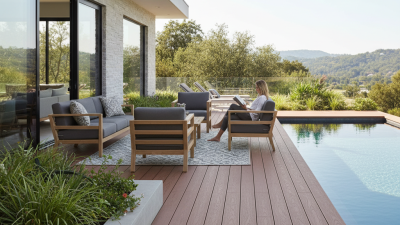
Outside Decks serve as extensions of our homes, offering a serene spot for relaxation or lively gatherings. Incorporating elements such as comfortable seating, stylish railings, and ambient lighting can elevate the overall atmosphere. However, many homeowners overlook the potential these spaces hold. A lack of creativity or improper material choice can lead to underwhelming results.
It’s crucial to reflect on the balance between functionality and aesthetics. Think about how your Outside Deck can meet both needs. A successful design should accommodate gatherings while allowing for peaceful solitude when desired. Seeking expert advice can ensure a harmonious blend of these elements, ultimately providing a deck space that resonates with your lifestyle.
Incorporating Natural Elements into Your Deck Design
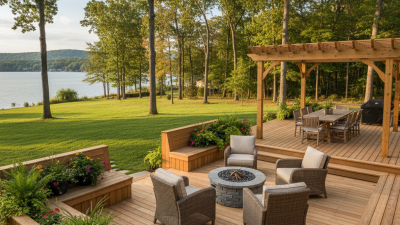
Creating an inviting outdoor deck requires thoughtful design. Incorporating natural elements can enhance your space and connect it to the surrounding environment. Consider using wood materials that blend with the scenery. These natural textures add warmth and a rustic feel. Also, include plants in your deck design. Potted herbs or flowering plants can introduce color and fragrance, making your space more vibrant.
When designing your deck, think about the layout. An open space can feel refreshing. However, cozy corners with seating can promote relaxation. Utilize natural stones or gravel to create pathways. This can help define areas while maintaining a natural look. Allow space for moving around freely, but don’t be afraid to experiment with different arrangements.
Tips: Choose a color palette inspired by nature. Earthy tones can create a soothing ambiance. Mix large planters with smaller pots for depth. Remember, light plays a role too. Position your deck to maximize sunlight while providing shaded spots for comfort. Take your time to reflect on how each element feels in the space.
Maximizing Space with Multi-Functional Deck Features
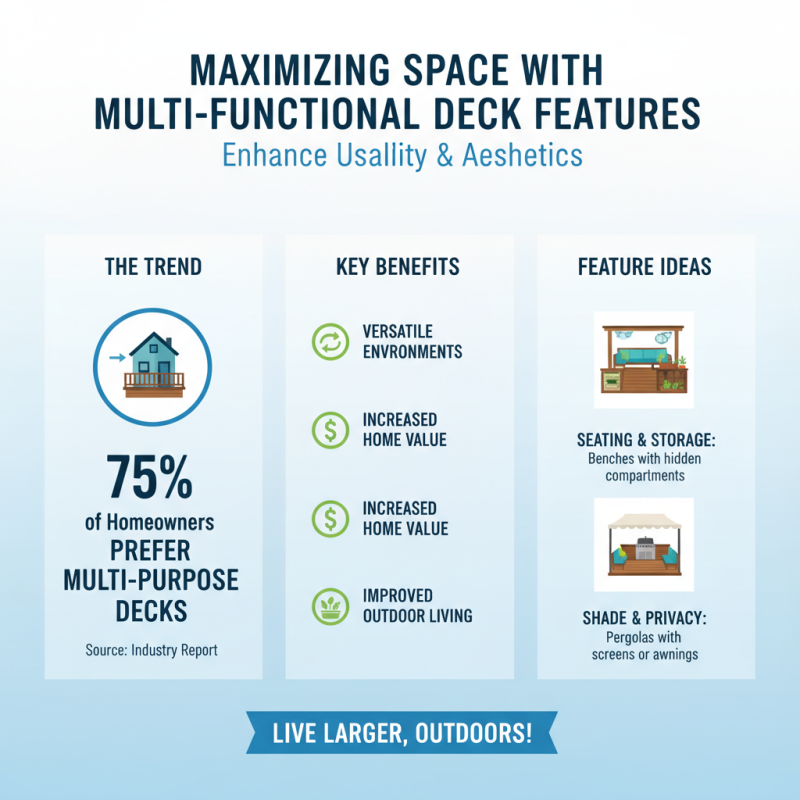
Maximizing space in your outdoor living area is vital. Multi-functional deck features can enhance usability and aesthetics. According to a recent industry report, nearly 75% of homeowners prefer decks that serve multiple purposes. This aligns with the growing trend of creating versatile outdoor environments.
Consider adding built-in seating that also serves as storage. This dual function helps keep your space tidy. Over 60% of outdoor spaces lack effective storage solutions. Hence, investing in multi-use furniture can significantly improve organization. Additionally, integrating planters within railing designs can provide greenery without sacrificing floor space. It's a small detail that makes a big impact.
Another option is to include an outdoor kitchen that can also serve as a dining area. A survey found that outdoor kitchens increase functional space by up to 30%. These spaces encourage family gatherings and can even improve home value. However, careful planning is necessary. Without proper layout considerations, it can feel cramped. It’s crucial to balance functionality with comfort to avoid unintended overcrowding.
Creating Cozy Ambiance with Lighting and Furnishings
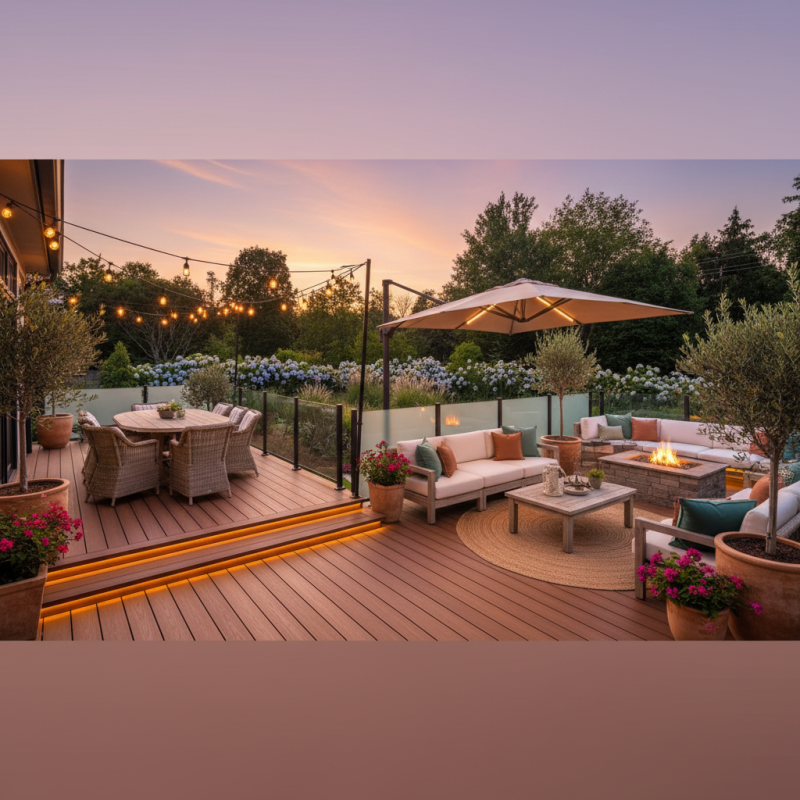
Creating a cozy ambiance on your outdoor deck is crucial for enhancing your living space. Lighting plays a pivotal role in establishing this atmosphere. According to a report by the American Society of Landscape Architects, 83% of homeowners prioritize outdoor lighting for aesthetic appeal. Layered lighting options, such as string lights and lanterns, add warmth and charm. You can use dimmable LED fixtures to control brightness levels, making your deck inviting for any occasion.
Furnishings should complement your lighting choices and be both functional and stylish. Soft, weather-resistant cushions can enhance comfort, while decorative elements can showcase your personality. Industry research shows that 63% of consumers prefer durable materials that withstand the elements. However, many overlook the importance of layout. Arranging seating to promote conversation can dramatically change the area’s feel. It’s essential to reflect on how spaces work together and might not always create the desired effect initially. Experimenting with different setups might be necessary to achieve the perfect blend of comfort and style.
Choosing Durable Materials for Outdoor Decking
When planning an outdoor deck, choosing durable materials is crucial for longevity. High-quality materials can withstand weather variations, UV exposure, and physical wear. According to a study by the American Society of Landscape Architects, 70% of homeowners prioritize durability in decking materials. Wood, composite, and PVC each offer unique benefits.
Wood is timeless but requires regular maintenance. Treated lumber can resist moisture but still needs protection from the elements. On the other hand, composite materials combine recycled wood and plastic, making them resistant to splintering and decay. A report by the North American Deck and Railing Association reveals that composite decks can last over 25 years, significantly reducing replacement costs.
Tips: Consider selecting a material that matches your climate. For coastal areas, choose materials that resist saltwater corrosion. Regular cleaning of any deck surface helps to prevent mold and maintain appearance. Before making a final decision, assess the long-term costs of maintenance for each material to avoid future regret. Testing samples can also provide insight into texture and color preferences.
Inspiring Color Schemes for a Vibrant Outdoor Living Area
Creating a vibrant outdoor living area involves careful consideration of color schemes. Studies suggest that the right colors can directly influence mood and perception. According to the Color Marketing Group, 90% of snap judgments about products can be based on color alone. For outdoor decks, this means choosing hues that not only reflect personal style but also enhance the natural environment.
Bright colors like coral or teal can energize a space, while earth tones create a sense of calm. A combination of bold accents and neutral shades can invite visual interest without overwhelming the senses. For example, pairing a deep navy deck with sunny yellow furniture can evoke a cheerful, coastal ambiance. But, choosing colors requires thoughtful judgment. Not all combinations are appealing, and some can clash violently.
Incorporating textures is equally important. Textured surfaces complement colors beautifully. For instance, a rough wooden deck can provide warmth against sleek metal furniture. The American Society of Landscape Architects emphasizes that outdoor spaces should evoke a seamless blend with nature. Reflecting on personal preferences and the surrounding landscape ensures a cohesive design. Ultimately, it's about creating a balance that invites relaxation and enjoyment.