How to Choose the Best Pool Decking for Your Backyard Oasis?
Creating the perfect backyard oasis is a dream for many homeowners. One of the key aspects to consider is pool decking. A well-chosen pool deck can enhance both aesthetics and functionality. According to a study by the National Association of Home Builders, nearly 60% of homeowners prioritize outdoor living spaces. This underscores the importance of selecting the right materials and designs for your pool deck.
Various options exist in the market, including concrete, wood, and composite materials. Each type has its unique benefits and drawbacks. For instance, concrete offers durability, while wooden decks provide a natural look. Yet, wooden options may require more maintenance. A survey by Remodeling Magazine showed that 70% of homeowners regret not fully considering pool decking choices during their renovations. This highlights the need for a thoughtful selection process.
When choosing pool decking, take into account your lifestyle and climate. Seasonal weather changes can impact material longevity and appearance. Reflect on your priorities—ease of maintenance versus aesthetic appeal. The perfect deck should complement your pool while standing the test of time. Careful consideration can lead to a beautiful, functional outdoor space.
Defining Your Ideal Pool Decking Style and Functionality
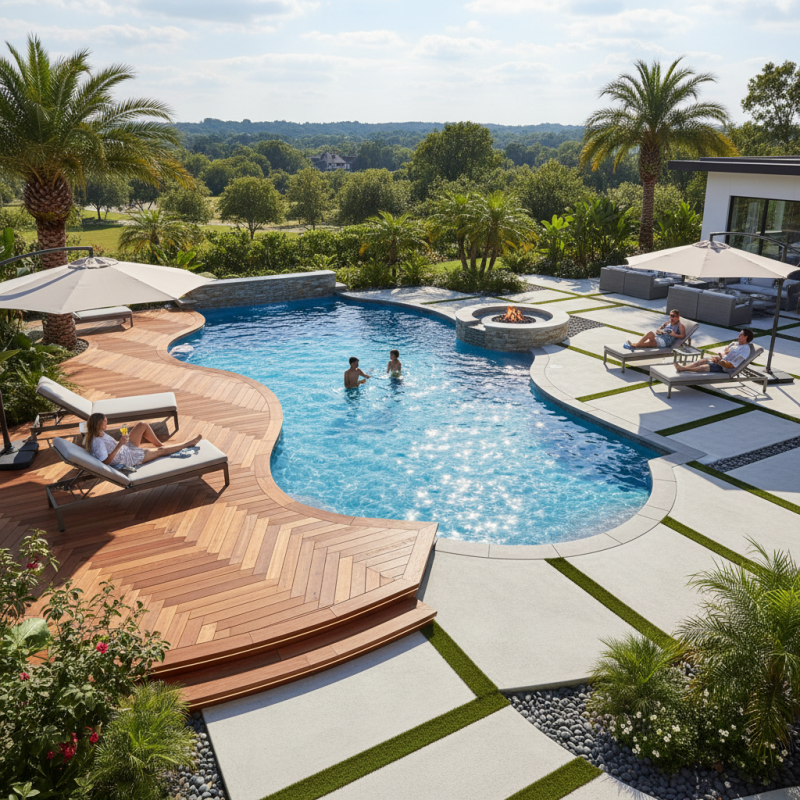
Choosing the right pool decking can significantly transform your outdoor space. To define your ideal style and functionality, consider various materials. Wood is popular for its natural look, but it requires regular maintenance. Composite decking offers durability and low upkeep, but it can get hot in the sun.
According to a recent report from the Pool & Spa Association, about 55% of homeowners prioritize aesthetics over functionality. However, functionality is equally important. Consider a slip-resistant surface, especially if you have kids. Safety should be a top concern when you're selecting materials. Some natural stones, while beautiful, may not perform well over time, leading to costly replacements.
Sustainability is becoming more crucial for many homeowners. Environmentally friendly options include recycled materials, which are increasing in demand. Yet, it's essential to balance eco-friendliness with durability. Many choose to overlook long-term consequences for instant appeal. Reflect on what compromises you are willing to make when choosing your pool decking.
Comparison of Popular Pool Decking Materials
Exploring Different Materials for Pool Decking Options
Choosing the right material for pool decking greatly impacts both aesthetics and functionality. There are several popular options on the market, each with its own strengths and weaknesses. According to a recent study by the National Association of Home Builders, over 75% of homeowners prioritize safety when selecting pool decking materials. This makes slip-resistant surfaces an essential feature.
Concrete is a common choice due to its durability and low maintenance. However, it can crack over time. Composite materials, like synthetics, offer a more eco-friendly alternative and are resistant to fading. They’re also softer on the feet and less prone to cracking, which is beneficial for families. The American Society for Testing and Materials reported that composite materials have grown in popularity by 25% over the last five years.
Natural stone provides a luxurious look but often comes with a higher price tag and can be slippery when wet. It's also important to consider local weather conditions. For instance, porous materials may absorb water and freeze in colder climates, leading to damage. Balancing aesthetics, safety, and affordability requires careful thought and research. Choosing the best option is not just about looks; it’s about creating a truly functional and safe space.
Evaluating Cost and Maintenance Considerations for Pool Decking
Choosing the right pool decking requires careful evaluation of cost and maintenance. On average, homeowners spend between $15 to $30 per square foot for decking materials. Poured concrete offers affordability but may require sealing every few years. Wooden decking, while aesthetically pleasing, can lead to higher long-term maintenance costs like sanding and staining. Reports indicate that maintenance can take up to 10% of your total investment annually.
In terms of durability, natural stone is often the most reliable option, lasting over 30 years. However, its higher upfront cost, ranging from $20 to $50 per square foot, may deter some buyers. Composite materials provide a middle ground, offering less maintenance and longevity without breaking the bank. Still, their recycling rates and material sourcing raise some environmental concerns.
When assessing options, consider the climate and the expected wear. Some materials handle temperature changes better than others. It's vital to reflect on your lifestyle as well. High traffic around the pool may mean more frequent upkeep for certain materials. Ultimately, the best choice balances initial costs with ongoing maintenance, providing a sustainable solution for your backyard oasis.
Assessing Safety Features and Slip Resistance in Pool Decking
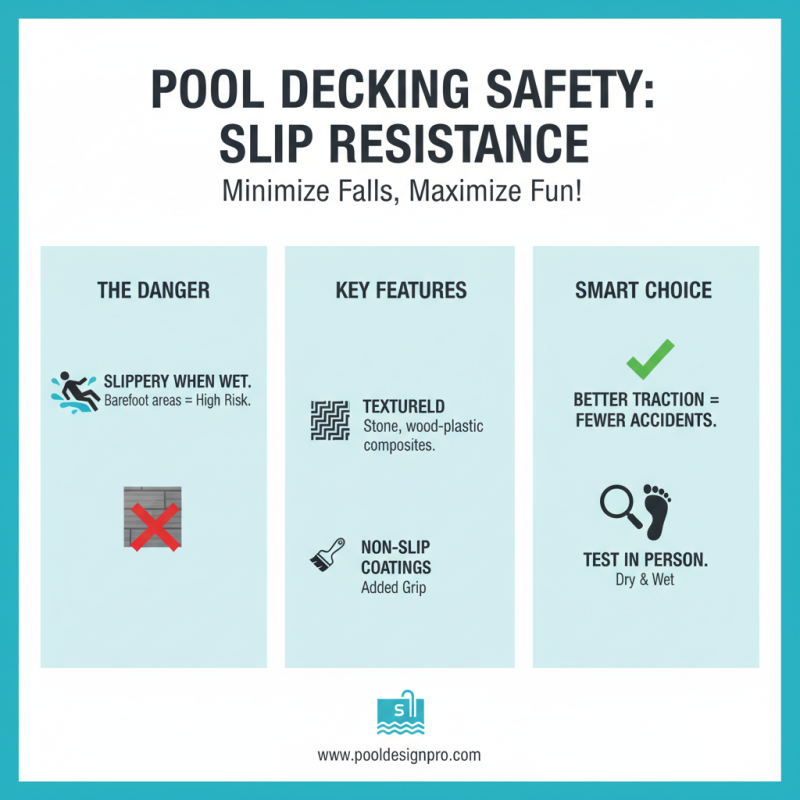
When choosing pool decking, safety features are paramount. Slip resistance is crucial, especially in wet areas. A slippery surface can lead to accidents. Opt for materials that are textured or have a non-slip coating. These options provide better grip, minimizing the risk of falls. If possible, test the surface in person. This helps gauge its slip resistance during dry and wet conditions.
Another consideration is the decking's water drainage capabilities. Poor drainage can lead to standing water, which increases the risk of slipping. Look for designs that promote drainage and dry quickly. A well-drained surface not only enhances safety but also reduces maintenance. Reflect on the aesthetic appeal, too. Decking that blends with your backyard can elevate the overall look.
It’s easy to overlook these critical aspects amidst the design and style choices. Prioritize safety alongside appearance to create a true backyard oasis. Not all materials are created equal, so research extensively. Understanding various options will lead to a safer and more enjoyable pool area.
Incorporating Aesthetic Elements to Enhance Your Pool Area
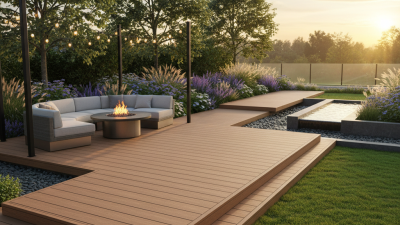
Creating a stunning pool area involves more than just choosing the right materials. Aesthetic elements can transform the space into a true oasis. Think about incorporating natural stone or textured concrete for added visual appeal. Surrounding the pool with lush greenery creates a serene environment. Water features, like fountains or small waterfalls, can enhance tranquility.
Tips: Select colors that complement your home. Earthy tones often create harmony. Incorporate outdoor furniture in vibrant fabrics. This contrast can make your pool area more inviting. Lighting is another key aspect. Soft, warm lights can create a cozy atmosphere during the evening.
Consider adding decorative tiles or mosaics around the pool edge. These can provide a splash of color and uniqueness. Be mindful of safety and durability, though. Sometimes, a beautiful design may compromise functionality. Regular maintenance is crucial to keep the aesthetic elements intact. Reflect on your choices to ensure they align with both beauty and practicality.
| How to Choose the Best Pool Decking for Your Backyard Oasis? |
| Material |
Aesthetic Appeal |
Durability |
Maintenance |
| Wood |
Natural, warm feel |
Moderate, lasts 10-15 years |
Requires staining and sealing |
| Composite |
Variety of colors and textures |
High, lasts 25-30 years |
Low, easy to clean |
| Concrete |
Customizable with patterns |
Very high, lasts 30+ years |
Requires sealing |
| Tile |
Elegant and stylish |
High, lasts 20-25 years |
Requires occasional grouting |
| Stone |
Natural elegance |
Very high, lasts indefinitely |
Low, easy to maintain |